
Category: Industrial Contracting

Industrial HVAC Failures Don’t Happen Overnight – Here’s What to Do Before One Costs You a Shutdown
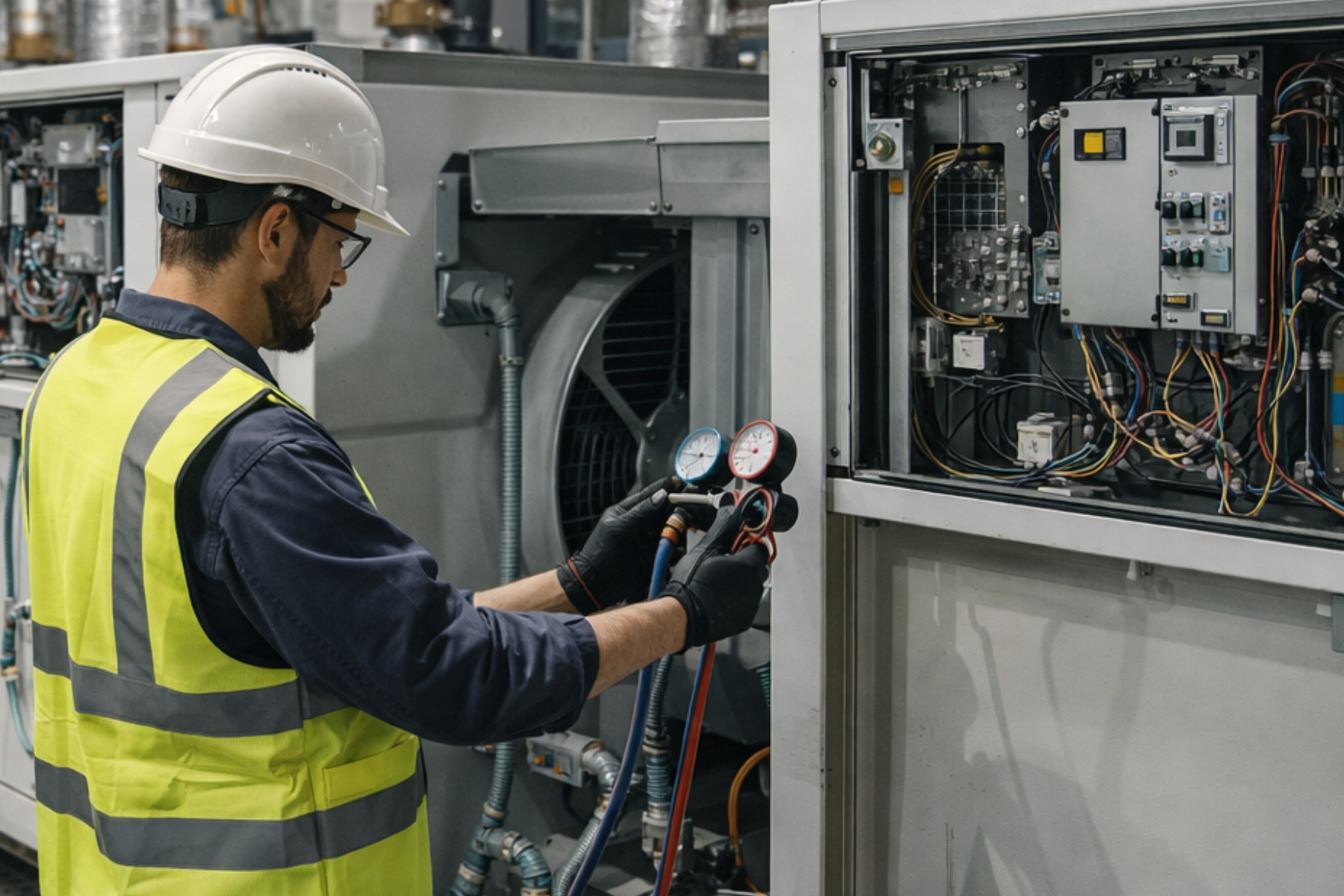
Most industrial HVAC failures that shut down a line, spike temperatures in a critical space, or force an emergency call at 2 a.m. on a Saturday didn’t happen suddenly. They built. Slowly. Over months — sometimes years — of deferred maintenance, incremental degradation, and warning signs that got logged but not acted on.
For plant managers, maintenance leaders, and reliability teams, understanding how industrial HVAC failure actually unfolds — and what a credible prevention strategy looks like — is the difference between managing the system and being managed by it.
This post breaks down the real causes of industrial HVAC failure, the signs that often go unaddressed, what a structured maintenance approach should include, and when it makes sense to bring in a contractor partner rather than try to hold things together with internal resources alone.
Industrial HVAC Is Not Commercial HVAC
Before getting into failure patterns, it’s worth establishing one foundational point: industrial HVAC systems are fundamentally different from commercial building systems, and they need to be treated that way.
In an industrial facility — a manufacturing plant, a process facility, a water or wastewater treatment site, a heavy industrial campus — HVAC systems are doing more than keeping people comfortable. They are:
- Controlling ambient temperatures in spaces where process equipment operates within defined thermal tolerances
- Managing humidity in environments where materials, coatings, or products require stable conditions
- Supporting ventilation in areas with airborne particulates, chemical exposure, or combustible dust
- Providing process cooling that is directly tied to production uptime
- Protecting electrical rooms, control rooms, and MCC spaces where heat events cause equipment failures
- Meeting OSHA and EHS requirements tied to worker health and safety
When an industrial HVAC system fails, the downstream consequences are not just comfort-related. They are operational. A failed air handling unit in a process area can trigger a production hold. A failed chiller loop can take down cooling-dependent equipment. A compromised ventilation system in a hazardous area creates a compliance and safety exposure that cannot be deferred.
This is the operating reality that shapes everything else in this post.
How Industrial HVAC Failures Actually Build
Walk through the failure timeline of most significant industrial HVAC breakdowns and you’ll find a consistent pattern. It rarely looks like a sudden catastrophic event. It looks like a series of deferred decisions.
Stage 1: Early Warning Signs That Get Normalized
The first signs of an HVAC system under stress are usually subtle enough that they get absorbed into the baseline of “things we’re watching.” Slightly elevated discharge temperatures. A unit running a little longer than usual. A vibration that maintenance knows about but has been stable for a while. A filter that’s getting changed more often than it used to.
These early indicators are meaningful. They signal that the system is working harder than it should — that something in the balance of the system has shifted. But in a busy plant environment with limited maintenance resources and a full work order queue, they often get a note in the log and not much else.
Stage 2: Degradation Accelerates Under Stress
Industrial HVAC systems that are already operating under stress — dirty coils, low refrigerant, worn belts, fouled heat exchangers, aging compressors — don’t hold steady. They deteriorate faster as the system compensates for the weakest points. A compressor that’s working 20% harder than it should be is aging faster than its spec suggests. A coil that hasn’t been properly cleaned in two years is reducing system efficiency in ways that compound across every component downstream.
At this stage, the unit may still be “running,” and that becomes the standard by which decisions get made. It’s running. It hasn’t failed. We’ll get to it.
Stage 3: The Trigger Event
The trigger is usually something that, in a healthy system, would have been a non-event. An unusually hot stretch. A production demand spike. A power fluctuation. A weekend where no one caught that the system was struggling. The weakened system hits a threshold it can no longer absorb, and failure follows.
At that point, the emergency begins — the calls, the scramble for parts, the rental equipment, the contractor mobilized on emergency rates, the production impact while the fix comes together. The cost of the emergency is almost always significantly higher than what a proactive approach would have required.
This pattern is not a mystery. It is predictable. And it is preventable.
Warning Signs Maintenance Teams Should Not Normalize
These are the signals that warrant action, not just documentation:
Temperature and Performance Indicators
- Discharge air temperatures trending warmer than setpoint without a clear cause
- Longer run cycles to achieve the same conditioning result
- Spaces that used to hold setpoint now running warmer during peak load
- Compressor high-pressure or low-pressure lockouts that reset and recur
Mechanical and Structural Indicators
- Unusual vibration in air handling units, compressors, or fan assemblies
- Bearing noise or elevated bearing temperatures
- Belt wear or glazing more frequent than expected
- Coil damage, corrosion, or physical fouling visible during walkthroughs
- Drain pans with standing water, algae, or signs of blockage
Electrical and Control Indicators
- Elevated amperage draw on motors or compressors
- Control boards or thermostat systems cycling erratically
- Contactors and relays showing signs of wear or heat damage
- BAS or building management system alerts that are being silenced without root-cause investigation
Refrigerant and Fluid System Indicators
- Refrigerant loss requiring recharges more than once in a season
- Chilled water system pressure inconsistencies
- Condenser water temperatures trending outside normal range
- Cooling tower performance degradation in water-cooled systems
Any one of these, occurring in isolation and addressed promptly, is manageable. Multiple indicators present simultaneously — especially in an aging system — should be treated as an active risk, not a watch-and-see situation.
What a Real Industrial HVAC Preventive Maintenance Program Includes
Preventive maintenance programs that actually protect uptime look different from the basic annual service check. In an industrial facility, a credible PM program for HVAC systems should include:
Scheduled Inspections at the Right Frequency
Not all HVAC systems in an industrial facility operate under the same load, environmental stress, or criticality level. A PM program should be frequency-stratified based on:
- System criticality (what goes down if this unit fails?)
- Operating hours and duty cycle
- Environmental exposure (dust, moisture, chemicals, heat)
- Age and condition baseline
High-criticality systems — process cooling, electrical room conditioning, critical production area ventilation — warrant monthly inspection at minimum. Supporting systems can be scheduled less frequently, but should still have defined inspection cadence, not just “when it seems like it needs it.”
Coil Cleaning and Heat Transfer Maintenance
Fouled coils are one of the most common contributors to reduced HVAC efficiency and accelerated component wear in industrial environments. Evaporator coils collect dust, debris, and biological growth. Condenser coils exposed to outdoor conditions accumulate dirt and can corrode. In industrial environments with airborne particulates, fouling happens faster than in office buildings.
Coil cleaning should be a defined, scheduled activity — not an afterthought. The efficiency loss from a heavily fouled coil can exceed 20-30%, meaning the system is running harder and costing more to deliver less conditioning.
Refrigerant and Fluid System Monitoring
Refrigerant management is not just about topping off a charge when performance drops. It involves tracking charge levels over time to identify loss trends, checking for leaks before loss becomes significant, and confirming that the system is operating at design pressures and temperatures. In chilled water systems, it also includes monitoring fluid chemistry, pH, and inhibitor levels to prevent scale buildup and corrosion in heat exchangers and piping.
Mechanical Component Inspection and Replacement
Belts, bearings, motors, and drive components have service life. In a well-run PM program, component replacement happens on schedule and condition, not just at failure. Predictive tools — vibration analysis, infrared thermography, motor current analysis — can provide early warning on components showing fatigue before they fail.
Controls and BAS Verification
Control systems that aren’t calibrated or validated against actual operating conditions can cause HVAC systems to run inefficiently, miss setpoints, or operate outside design parameters in ways that compound mechanical wear. PM programs should include control system verification: confirming that sensors are accurate, setpoints are appropriate, and control sequences are functioning as designed.
Documentation That Creates Operational Intelligence
A PM program produces records. Those records, over time, create a maintenance history that is genuinely useful for identifying trends, justifying capital expenditure, planning upgrades, and making the case for replacing systems that have reached end of cost-effective useful life. Maintenance teams that have strong documentation are better positioned to make decisions based on data rather than feel.
When Preventive Maintenance Isn’t Enough: Retrofits and System Upgrades
There is a point in the life of an industrial HVAC system where continued repair and maintenance investment produces diminishing returns. Reaching that point is not a failure — it is a predictable outcome of operating complex mechanical equipment in demanding environments.
Indicators that retrofit or replacement may be more cost-effective than continued repair include:
- Recurring failures in the same components despite repair
- Parts availability becoming limited or lead times extending significantly
- Refrigerant type requiring replacement due to phase-out regulations (R-22, for example)
- Efficiency significantly below modern equipment benchmarks, increasing energy cost
- Inability to meet current load demands due to capacity decline
- Controls systems that cannot interface with modern BAS platforms
Retrofits and upgrades in industrial environments require planning beyond equipment selection. They require sequencing that minimizes operational disruption, coordination with production and operations schedules, mechanical and electrical integration into existing plant infrastructure, and often structural or foundation considerations depending on equipment size and location.
A contractor partner who can execute across mechanical services, electrical work, and concrete and structural scope — rather than managing separate specialty subs — reduces coordination burden and schedule risk significantly.
The Self-Perform Advantage in Industrial HVAC Work
One of the most underappreciated factors in industrial HVAC contracting is the difference between a contractor who self-performs the work and one who brokers it to subcontractors.
In industrial environments, where safety requirements, shutdown windows, and production schedules leave limited margin for delays, coordination failures, or scope gaps, a self-performing contractor provides:
Accountability without gaps. When one contractor is responsible for mechanical, electrical, controls, and structural scope, there is no gray area between trades about who owns what. Scope gaps don’t become schedule problems.
Faster mobilization. A self-perform contractor dispatches its own crews. There is no waiting for a subcontractor to schedule and mobilize. For emergency and urgent response situations, this matters significantly.
Consistent safety and quality standards. Crews who work together regularly, under consistent safety culture and quality expectations, perform differently than an ad-hoc team assembled from multiple subs.
Tighter schedule control. When the contractor controls the labor, they control the schedule. Sequencing decisions can be made in real time, without the friction of coordinating between multiple companies.
Lee Contracting’s industrial contracting capabilities are built on this self-perform foundation — mechanical, electrical, rigging, fabrication, and civil scope executed by Lee crews, under Lee standards, on your schedule.
What a Good Partner Looks Like
Not every HVAC issue in an industrial facility warrants a contractor. Internal maintenance teams handle a significant volume of routine work every day — and they should. The question is knowing where the line is, and having a contractor relationship ready before you need it urgently.
A good contractor partner for industrial HVAC work brings:
Honest assessment, not sales. When your contractor evaluates a system, the output should be a clear picture of what’s there, what the risks are, and what the options are — not a proposal to replace everything. Trust is built on straight answers, not inflated scopes.
Real-world scheduling flexibility. Industrial HVAC work often has to be executed around planned shutdowns, production windows, or maintenance outages. A contractor who can work within your schedule — including nights, weekends, and compressed windows — is a fundamentally different partner than one who only works standard hours.
Capability breadth that matches industrial scope. HVAC work in an industrial facility rarely lives in isolation. It touches electrical, controls, structural supports, rigging for equipment removal or installation, and sometimes process systems. A contractor who can handle that breadth without layering in multiple subs is a genuine operational advantage.
History in industrial environments. Plant environments have safety requirements, permitting processes, and operational realities that contractors without industrial experience are not prepared for. Lock-out/tag-out compliance, confined space awareness, hot work permitting, coordination with operations — these are baseline expectations, not added services.
Don’t Wait for the Breakdown to Find Your Service Provider
The industrial HVAC failures that cost the most — in downtime, in emergency service rates, in production impact, in scrambled schedules — are almost always the ones that could have been caught. The warning signs were there. The maintenance window existed. The decision got deferred.
Lee Contracting works with industrial facilities across the region to build maintenance programs that prevent those failures, execute planned repairs and retrofits during scheduled windows, and respond when something goes wrong and needs to be right quickly.
Whether you’re managing an aging HVAC system that’s showing signs of stress, planning a retrofit during an upcoming outage, or evaluating your current PM program against what it should be doing, we’re a direct conversation away.
Contact Lee Contracting to talk through your facility’s HVAC needs with a team that understands what industrial maintenance actually demands.
Frequently Asked Questions:
How often should industrial HVAC systems be serviced?
Frequency should be based on criticality, operating environment, and equipment age. High-criticality systems — process cooling, electrical room conditioning, critical production spaces — should be inspected monthly at minimum, with comprehensive service at least twice per year. Supporting systems can typically operate on quarterly or semi-annual schedules. Any system showing active performance indicators should be evaluated immediately, regardless of where it falls in the PM calendar.
What causes most industrial HVAC failures?
The most common contributors are deferred maintenance (fouled coils, worn belts, low refrigerant), aging components operating beyond their effective service life, controls issues that cause systems to operate outside design parameters, and environmental fouling from industrial processes that accelerate degradation. Most failures are preceded by warning signs that were present but not acted on.
When does it make sense to retrofit or replace rather than continue repairing?
When repair costs are recurring frequently, parts availability is declining, the equipment uses a phased-out refrigerant, or the system can no longer meet facility load requirements cost-effectively, retrofit or replacement becomes the more economical long-term decision. A qualified contractor can help evaluate the lifecycle cost comparison.
What should a plant look for in an industrial HVAC contractor?
Look for a contractor with demonstrated experience in industrial environments, self-perform capability across mechanical and electrical scope, a clear safety culture aligned with plant requirements, and the ability to work within your scheduling constraints. Avoid contractors who approach industrial sites with a commercial HVAC mindset — the operational requirements are fundamentally different.
How quickly can Lee Contracting respond to an emergency HVAC situation?
Lee Contracting maintains maintenance and repair support capabilities designed for industrial responsiveness. Contact us directly to discuss your facility’s needs and establish response expectations before an emergency requires it.

Subscribe and receive updates via email
How to Relocate Industrial Operations Without Losing Production
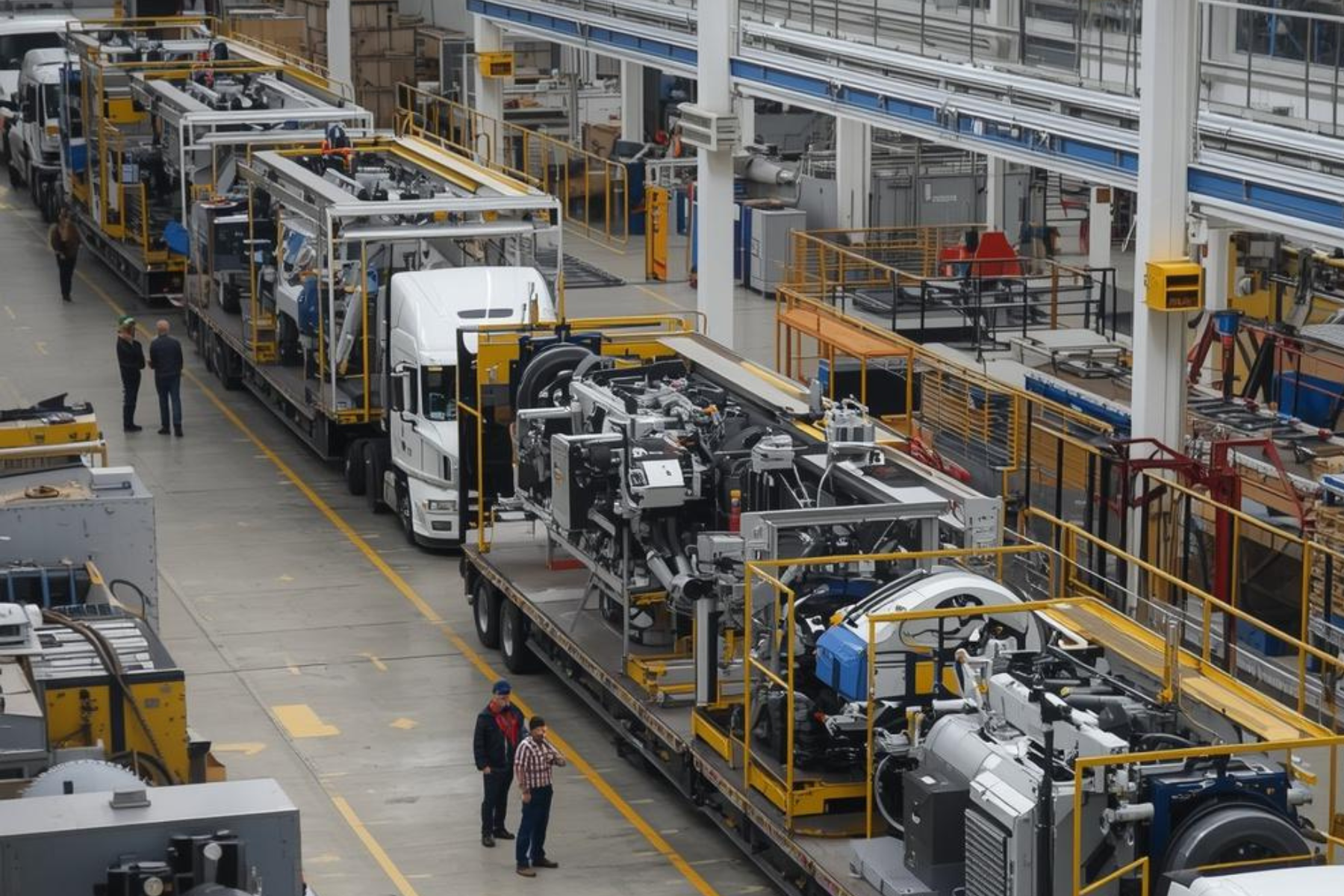
Moving industrial operations is one of the most complex projects a facility will ever execute. The equipment is heavy, the systems are interdependent, and the margin for error is measured in production hours and customer commitments — not inches.
Done well, a plant relocation transfers your operation from one facility to another with minimal disruption, clear sequencing, and a new site that’s ready to run from day one. Done poorly, it can cost weeks of lost production, damage critical equipment, and create cascading problems that take months to untangle.
The difference almost always comes down to planning and the quality of the contractor executing the work.
This guide covers what industrial plant relocations actually involve, where projects most commonly fail, and what a well-managed move looks like from the first site walk to the startup of the last machine.
Why Plant Relocations Are Happening at an Accelerating Rate
Several forces are driving facility moves across the manufacturing sector right now.
Reshoring is creating greenfield and brownfield facility buildouts as companies bring production back to North America. Facility consolidations are combining operations from multiple plants into a single, more efficient location. Capacity expansions are pushing manufacturers out of buildings they’ve outgrown. And mergers and acquisitions are triggering operational restructuring that requires relocating entire production lines.
In every one of these scenarios, the core challenge is the same: move complex, interconnected systems — on a defined timeline, within a defined budget — without an extended loss of production.
That’s not a moving job. It’s a multi-trade industrial project that requires the same rigor as any major facility installation.
What a Plant Relocation Actually Involves
It’s worth being direct about the scope of a proper industrial relocation, because it’s often underestimated at the outset.
A plant move isn’t just rigging equipment onto a flatbed and setting it down at a new address. It involves every trade that touched the original installation — plus everything required to make the destination facility ready to receive it.
A complete plant relocation scope typically includes:
Pre-Move Assessment and Planning
- Equipment inventory: what’s moving, what’s staying, what’s being decommissioned
- Condition assessment: is the equipment being relocated in a state worth moving?
- Utility mapping at both the origin and destination facility
- Rigging and transportation engineering for each major piece of equipment
- Sequencing plan that coordinates trades and protects production as long as possible
Site Preparation at the Receiving Facility
- Foundation work: new equipment pads, anchor bolt setting, pit construction
- Electrical infrastructure: power distribution, panel upgrades, feeder runs
- Mechanical systems: process piping, compressed air, HVAC, hydraulics
- Structural modifications if required by new equipment layout or clear height constraints
Disconnection, Rigging, and Transport
- Controlled disconnection of electrical, mechanical, and hydraulic systems
- Equipment rigging: engineered lift plans for critical and heavy picks
- Loading, blocking, and securing for transport
- Specialty transport for oversized or sensitive equipment
Reinstallation and Commissioning
- Precision placement and leveling at the new site
- Mechanical and electrical reconnection
- System commissioning and startup support
- Documentation of as-installed conditions
That’s a mechanical, electrical, rigging, fabrication, and civil scope — all running in a coordinated sequence against a schedule that operations leadership is watching closely.
Where Plant Relocations Go Wrong
Most plant relocation failures are predictable. They don’t happen because the work was technically impossible. They happen because the planning didn’t match the complexity of the project.
Underestimating rigging complexity. Large stamping presses, machining centers, and process equipment aren’t just heavy — they’re heavy in complex ways. Center-of-gravity shifts, equipment that must be partially disassembled for transport, and access constraints at either facility can turn a straightforward pick into a days-long operation if it wasn’t planned properly.
Destination site not ready when equipment arrives. This is one of the most common and costly failures in plant relocation. If foundations aren’t complete, electrical isn’t roughed in, or the floor slab can’t handle the load, equipment sits on a truck or in a staging area while the schedule burns. Coordination between the site prep work and the equipment move schedule is critical.
Electrical and mechanical reconnection delays. Disconnecting equipment at the origin is faster than reconnecting it at the destination. If the destination electrical infrastructure isn’t planned correctly — wrong voltage, wrong panel capacity, wrong conduit routing — reconnection becomes a change order and a delay.
No sequencing plan across trades. When mechanical, electrical, rigging, and civil crews operate independently without a coordinated schedule, they work against each other. Electrical can’t finish until rigging is done. Rigging can’t finish until foundations are ready. If these dependencies aren’t mapped and managed, every delay multiplies.
Treating the move as the scope, not the installation. Moving equipment is the middle of the project, not the whole project. Facilities that focus only on “getting the equipment there” and underinvest in site prep and commissioning pay for it on startup day.
How to Build a Relocation Timeline That Protects Production
The goal of timeline planning in a plant relocation isn’t just to hit a completion date — it’s to protect production as long as possible at the origin facility and establish production as quickly as possible at the destination.
Those two objectives don’t always pull in the same direction, which is why sequencing requires real thought.
Phased moves vs. full cutover. A phased approach moves equipment line by line or cell by cell, often allowing parallel production between the two facilities during the transition. A full cutover is a single event — the facility shuts down, everything moves, the new facility starts up. Phased moves reduce risk but take longer. Full cutovers are faster but carry more concentrated risk.
Using the production schedule as the sequencing driver. Which lines can go down first? Which pieces of equipment have the longest reinstallation time and need to move earliest? What’s the last piece of equipment that can leave before the origin facility falls below minimum viable production? These questions should drive the sequence plan, not logistics convenience.
Building in float for the critical path items. Foundations, electrical infrastructure, and commissioning are typically the critical path in a relocation. These items need the most schedule float built around them, because they have the least tolerance for delay.
Night and weekend scheduling. Some moves — particularly those inside active facilities — require working around production shifts. This adds cost but protects output. Factor it into the budget and timeline from the beginning.
The Rigging Factor: Why Heavy Equipment Moves Are a Specialty
Rigging in a plant relocation is not the same as general moving. It requires planning, engineering, and experienced execution — and the consequences of errors are expensive and sometimes dangerous.
Every major lift in a relocation should begin with a lift plan that covers:
- Load weight and center of gravity — often requires vendor data or field measurement for equipment without current documentation
- Rigging hardware selection — sling type, capacity, configuration, and angle calculations
- Crane and gantry selection — based on load, height, radius, and the physical constraints of both facilities
- Travel path planning — floor loading capacity, overhead clearances, doorway dimensions, and any structural concerns along the route
- Engineered lift plan for critical lifts — required by OSHA for certain lifts; best practice for all complex picks
Equipment that has been in place for decades sometimes reveals surprises during disconnection — integrated utility connections that aren’t documented, anchor systems that weren’t what the drawings showed, or condition issues that affect the rigging approach. A qualified rigging team anticipates this and plans for it.
Precision placement at the destination is equally important. Machine tools, presses, and process equipment must be set to exact alignment specifications. The rigging work doesn’t end when the equipment is on the floor — it ends when the equipment is leveled, aligned, and grouted to specification.
Setting Up the Receiving Facility for Day One
A plant relocation is only as successful as the destination facility’s readiness to receive equipment and put it back into production.
Foundation and floor verification. Before equipment arrives, foundations need to be complete, anchor bolts verified, and floor slabs confirmed for load capacity. Any deviation from design needs to be resolved before equipment is set — not after.
Utility tie-in readiness. Electrical feeds, compressed air headers, water and coolant connections, hydraulic supply lines — all of it needs to be in place and tested before equipment reconnection begins. Reconnection delays are expensive. They’re also avoidable.
Commissioning planning. Startup isn’t just turning a switch on. It involves running equipment through its operational parameters, verifying alignment and vibration, testing safety systems, and confirming that the production output meets specification. Commissioning should be planned as part of the project — not improvised at the end.
Documentation. As-installed drawings, electrical one-lines, mechanical schematics, and equipment alignment records should be produced as part of project closeout. If the origin facility never had good documentation, the relocation is an opportunity to create it. For new facilities, this documentation becomes the baseline for future maintenance work.
Why Multi-Trade Integration Is the Critical Variable
A plant relocation touches every trade: rigging, electrical, mechanical, foundations, fabrication, and in many cases civil utilities. When those trades are coordinated by a single project manager under one contract, the sequencing works. When they’re separate contracts or separate subcontractors with no unified schedule owner, delays compound.
The rigging crew can’t set equipment until foundations are ready. The electricians can’t land wire until equipment is in final position. The mechanical team can’t reconnect process piping until the rigging is complete and the equipment is aligned. Everyone is waiting on someone else — and when something slips, the ripple effect is immediate.
An integrated contractor who self-performs across those trades doesn’t eliminate complexity. But it puts one team in charge of the sequence, one project manager owning the schedule, and one accountable partner responsible for getting the equipment running at the destination.
That’s the model that keeps relocations on track.
What to Do Before You Call a Contractor
A few steps before you go to market for a relocation contractor will make the project go better:
- Document what you have. Equipment list, utility connections, as-built drawings if available. The more information you can give a contractor, the better the scope and the tighter the estimate.
- Define the production constraint. What’s the maximum acceptable downtime at the origin facility? What’s the earliest acceptable startup date at the destination? These parameters drive the entire project approach.
- Assess the receiving facility honestly. Walk it with your team and note every gap between what’s there and what you need. Foundation conditions, electrical capacity, clearances, and site access are all inputs to the project scope.
- Engage a contractor before the scope is locked. A contractor with plant relocation experience will identify issues you haven’t thought of. Involving them in pre-planning isn’t a cost — it’s a schedule and budget hedge.
Working With Lee Contracting on Your Plant Relocation
Lee Contracting has executed plant relocations across industrial sectors for more than 35 years. Our integrated team of rigging specialists, electricians, mechanical crews, and foundations experts works under one project manager — one team, one plan, one outcome.
We own our equipment. We self-perform our core trades. And we’ve done this work in live facilities where production pressure was real and the margin for delay was zero.
Whether you’re moving a single production cell or consolidating two facilities into one, we’re built to handle the complexity.
Ready to start planning your move? Contact Lee Contracting to talk through your relocation scope, timeline, and what it takes to protect your production through the transition.
Frequently Asked Questions
What is involved in an industrial plant relocation? An industrial plant relocation involves disconnecting, rigging, transporting, and reinstalling production equipment at a new facility. It typically requires multi-trade coordination across rigging, electrical, mechanical, foundations, and sometimes civil utilities, along with pre-move site preparation and post-move commissioning at the destination.
How do you minimize downtime during a plant relocation? Minimizing downtime in a plant relocation requires early planning, a phased move strategy where possible, a clearly sequenced schedule across trades, and a destination facility that is fully prepared to receive equipment before it arrives. Using a single integrated contractor who self-performs across trades reduces coordination gaps that cause delays.
How long does an industrial plant relocation take? Timeline depends on the volume and complexity of equipment, the distance between facilities, and the condition of the destination site. Single-line relocations may take a few weeks. Full facility moves with complex equipment and significant site prep work can run several months. Defining the production window constraint early helps build the right approach.
What trades are involved in a plant relocation? Most plant relocations involve rigging and transportation, electrical disconnection and reconnection, mechanical piping and systems work, foundations for new equipment pads, and sometimes fabrication for utility modifications. Having these trades under one contractor significantly reduces coordination risk.
When should you contact a relocation contractor? The earlier the better — ideally before the project scope is finalized. A contractor with plant relocation experience can identify site preparation requirements, flag rigging challenges, and help sequence the move in a way that protects production. Bringing a contractor in after decisions are already made limits their ability to prevent problems.
Subscribe and receive updates via email
TURNKEY OR JUST TALK?: How to spot the difference in industrial contracting.
“Turnkey” sounds simple: one provider, one contract, one smooth project. In industrial reality, the term is used so loosely that it can hide a lot of risk. A contractor can say turnkey, yet the customer still ends up coordinating multiple crews, managing handoffs, and absorbing schedule impacts when one party misses a milestone.
If you have ever lived through a shutdown that slipped, a tie-in that got delayed, or a commissioning handoff that turned into a scramble, you already know the truth. Turnkey is not a scope; it is an execution model.
What “real turnkey” looks like in the field
If a turnkey claim is legitimate, you should be able to see four things immediately:
- One plan
Sequencing and handoffs are defined, not assumed. - One schedule
There is one integrated schedule owned by one accountable lead, not multiple calendars stitched together. - One safety standard
Safety expectations do not change depending on which crew is on site. - One accountable project team
Coordination, quality, and change control are managed consistently from kickoff to closeout.
When these are missing, “turnkey” becomes a marketing label that shifts coordination burden back to the customer.
The fastest test: Who controls the critical path?
For industrial projects, the fastest way to validate a turnkey claim is to ask a simple question: Who controls the critical path?
In most manufacturing facilities, the critical path concentrates in a few predictable places:
- Sequencing and trade-to-trade handoffs
- Outage windows and production shutdowns
- Tie-ins to existing utilities and process lines
- Safety leadership, permitting, and inspections
- Quality hold points and rework prevention
- Commissioning readiness and startup support
If a contractor cannot clearly explain who owns these and how they manage them day to day, you are likely looking at a multi-vendor project wearing a turnkey costume.
The Turnkey Reality Check: 12 questions to ask before you sign
Use this checklist to compare industrial contracting proposals apples to apples. The best partners will not be bothered by these questions; they will welcome them because they already operate this way.
Accountability and leadership
1. Who is the single accountable lead?
Name the Project Manager and Site Lead who own safety, schedule, and coordination
2. Who owns the master schedule?
Confirm one integrated schedule, one cadence, and one party responsible for handoffs
3. How is field coordination run daily?
Ask to see the rhythm: daily plan, weekly look-ahead, constraints log, and escalation path.
Execution capability and control
4. What scopes are self-performed vs. partner-performed?
Ask for a clear breakdown. “Turnkey” should never be vague here.
5. How do you scale labor when priorities shift?
Look for a plan to surge staffing or add shifts without breaking safety and quality controls.
6. Who controls the critical path scopes?
Identify the critical-path scopes and who controls them from start to finish.
Safety, quality, and change management
7. Who sets and enforces safety standards across all executing parties?
Look for one standard, one leadership structure, and consistent expectations.
8. How is quality managed across scopes?
Ask for QA/QC hold points, inspection plans, and turnover requirements.
9. How do you handle change without schedule creep?
Ask about change control, approvals, and how schedule impacts are documented.
Partners, interfaces, and closeout
10. How do you select and manage specialty partners?
Define “vetted”: prequalification, safety requirements, scope clarity, and supervision model.
11. Who owns interfaces and commissioning readiness?
Confirm responsibility for utilities, tie-ins, controls, startup support, and punch list closure.
12. What does closeout include?
As-builts, O&M documentation, training, warranty handoff, and completion sign-off.
The quick score to spot “just talk”
If a contractor cannot give clear, confident answers to questions 4, 6, 7, and 10, their turnkey claim is likely marketing, not an execution model. Those four questions reveal whether you are getting real execution control or outsourced coordination risk.
The Power of One: Turnkey industrial contracting with real accountability
Using specialty partners is not automatically a problem in industrial contracting. The real problem is unmanaged partners, when accountability fragments and interfaces become the customer’s burden.
Lee Contracting’s Power of One approach is designed to prevent that by bringing key industrial trades under one accountable team, including rigging, electrical, mechanical, foundations, fabrication, controls, and more. Our self-performing model gives manufacturers a single-source partner for plant relocations, equipment installations, facility expansions, and complex shutdown work.leecontracting+4
Power of One is built around one accountable partner owning the outcome through the right mix of:
- In-house execution on many critical scopes across your facility.
- Vetted specialty support only when it strengthens expertise, expands capacity, or accelerates schedules, all coordinated under one plan, one schedule, and one safety standard.leecontracting+2
That is what turnkey should mean in real life for industrial plants focused on uptime, safety, and total installed cost.
Ready to test “turnkey” on your next project?
If you are planning a facility expansion, major equipment move, or high-stakes shutdown, talk with our team about how Lee Contracting’s Power of One model can de-risk your schedule and simplify coordination. Contact our in-house experts today to discuss scope, schedule, and budget, or request a project review.
Subscribe and receive updates via email
2026 Industrial Contracting Outlook: What Plant Leaders Need to Plan For Now

As U.S. manufacturing momentum accelerates into 2026, industrial leaders face growing pressure to plan strategically around reshoring, automation, and facility expansion. The most resilient organizations are partnering with turnkey industrial contracting experts like Lee Contracting to align infrastructure and operations for long-term competitiveness.
The Next Wave of U.S. Manufacturing Momentum
Reshoring continues to define the industrial landscape heading into 2026. Supply chain vulnerabilities, geopolitical uncertainty, and cost pressures are driving both OEMs and Tier 1 suppliers to bring production closer to home. According to industry data, reshoring and foreign direct investment combined added over 300,000 U.S. manufacturing jobs in 2025, and this trend isn’t slowing.
But as production returns stateside, plant leaders face complex operational questions:
- How can facilities adapt to increased automation demands?
- What infrastructure upgrades will enable future capacity?
- How do capital budgets account for both expansion and maintenance needs?
Strategic industrial contracting services provide the foundation for answering these questions effectively—bridging the gap between facility vision and operational execution.
Trend 1: Reshoring Brings Urgency to Facility Readiness
Manufacturers bringing production back to the U.S. aren’t simply opening new sites—they’re doing it fast. Compressed timelines are becoming the new normal. But rapid project execution without full integration across trades can lead to costly rework, safety concerns, and startup delays.
Partnering with a turnkey construction partner like Lee Contracting enables a cohesive, single-source solution for facility expansion and optimization. Lee’s self-performing trades—including civil, mechanical, electrical, rigging, and foundations—streamline schedules while maintaining tight control of quality and safety.
Related Resource: “Bringing It Home: Realities of New U.S. Facility Builds”
Trend 2: Automation Integration Redefines Capital Planning
Automation and robotics investments are surging across industries from automotive to food processing. But automation isn’t plug-and-play—it demands a coordinated approach that aligns equipment, electrical systems, controls, and infrastructure.
Facility leaders planning for automation in 2026 should emphasize early-stage alignment between electrical installation, machine rigging, and control systems integration. Lee’s industrial automation services ensure robotic systems and production lines are installed, powered, and optimized as part of a continuous workflow rather than isolated tasks.
Effective capital planning in this environment means budgeting for optimization, not just installation—and incorporating predictive maintenance strategies from day one.
Explore more: “The Shift to Strategic Industrial Maintenance”
Trend 3: Integrated Maintenance Strategies Drive ROI
Maintenance remains one of the most overlooked levers of long-term performance. In a high-demand reshoring environment, unplanned downtime costs more than ever—both in lost output and missed customer commitments.
To prepare for 2026, plant managers should move beyond reactive service models toward strategic industrial maintenance partnerships. As a turnkey industrial contractor, Lee delivers coordinated mechanical, electrical, and fabrication maintenance programs that restore full productivity rapidly—without juggling multiple vendors.
This integrated approach not only improves uptime but also strengthens capital asset planning, helping decision-makers prioritize investments based on real performance data.
See more: Industrial Maintenance Services Overview
How Lee Contracting Enables 2026 Readiness
For more than 35 years, Lee Industrial Contracting has supported manufacturers across sectors with one-call, self-performed solutions. As you plan for 2026, consider partnering early to:
- Align facility expansions with automation goals.
- Accelerate industrial relocations and equipment installations with in-house rigging and foundations expertise.
- Integrate maintenance and modernization into capital planning.
Lee’s in-house control over every trade enables faster starts, guaranteed schedule coordination, and consistent quality—a critical advantage as the industry enters a fast-evolving phase of U.S. manufacturing growth.
Preparing Now for a Year of Transformation
The 2026 industrial landscape will reward proactive facility leaders who align with integrated partners capable of turning complexity into coordinated execution. From reshoring buildouts to automation integration and strategic maintenance, the time to plan is now.
Ready to position your facility for 2026 success?
👉 Speak with our industrial experts about how Lee’s turnkey industrial contracting services can help you plan, build, and perform with confidence.
Subscribe and receive updates via email
How to Relocate Industrial Operations with Minimal Downtime

With reshoring, modernization initiatives and consolidation on the rise, we are seeing more manufacturers relocating their operations to stay competitive. But relocating an industrial facility is a highly complex endeavor, with equipment, teams and production schedules all moving at once.
The biggest challenge with an industrial facility relocation is keeping downtime to a minimum. But with the right planning and a turnkey team that brings every trade under one roof, operations can stay productive even during a major move.
First Things First: Pre-move Planning
A smooth relocation starts before any equipment is even moved. Conducting a thorough pre-move assessment is essential to identify equipment needs, power requirements, mechanical systems and any layout changes required at the receiving site.
A well-defined sequence of events outlines what happens first, next and last so the move fits around production targets and avoids downtime. When one partner handles planning and execution for every trade, the handoffs are cleaner and the scheduling gaps that often slow down relocations can be greatly reduced.
Sample Relocation Flow:
Assess → Disconnect → Move → Reconnect → Test → Resume Production
This simple sequence highlights the value of having every discipline aligned from the start.
Rigging and Machinery Moving: The Heart of the Operation
Rigging is often the single most influential factor in avoiding downtime. Nearly every relocation depends on the safe disassembly, transport and precise reinstallation of machinery. Industrial rigging services with trained crews and owned equipment ensure lifts are controlled, move plans are followed and assets arrive exactly where they need to be.
When rigging teams work directly with mechanical, electrical and controls specialists, the transition from move to reconnect happens seamlessly.
Mechanical and Pipefitting: Reconnecting Process Systems
Most industrial equipment depends on air, steam, water, hydraulics or custom process lines. Industrial mechanical services carried out by experienced tradespeople are essential for disconnecting, reinstalling and aligning machines so production resumes smoothly.
When working with an industrial contracting company, ensure they have in-house pipefitters and mechanical teams, which will eliminate the handoff delays that inevitably happen when multiple contractors must coordinate each part of the job.
Most downtime during a relocation happens between trades.
A single-source team eliminates those gaps.
Electrical: Powering Up the New Facility
Electrical work is one of the most common points where relocations fall behind. A skilled industrial electrical contractor must manage safe lockout/tagout, confirm power requirements and reconnect equipment to the receiving site’s panels. Many companies make the mistake of bringing in electricians only after the machines are in place, which is a common cause of delay as wiring and load checks usually need to happen before equipment is set.
When electrical teams are involved from the start, they can verify loads early, coordinate with rigging and mechanical schedules and power up equipment as soon as it’s set. That kind of alignment keeps the reconnect phase moving.
Controls and Automation: Bringing Systems Back Online
Once machines are in their rightful place and powered back up, controls systems determine how quickly production returns. PLCs, HMIs, sensors and automated lines all need to be reconnected and tested, and even small configuration issues can slow down a restart.
Controls technicians who understand the full move plan can bring systems back online in the right sequence, troubleshoot problems as they arise and reduce the commissioning delays that often bog down the final phase of a relocation.
Startup and Optimization
The move isn’t complete until the equipment is up and running. Mechanical, electrical and controls teams calibrate, test under real conditions and address any issues on the spot. That collaborative startup is what ensures production picks up exactly where it left off.
With coordinated industrial rigging services, industrial mechanical services, an industrial electrical contractor and controls support working as one team, manufacturing operations can relocate without losing momentum. Turnkey capabilities from an experienced industrial contracting team keep schedules tight, simplify communication and help manufacturers stay productive from the first disconnect to the final startup.
Planning to relocate your industrial operations? Lee Industrial Contracting provides all the trades you need to plan and execute a smooth move. Request a quote today.
Subscribe and receive updates via email
The Shift to Strategic Industrial Maintenance: Fewer Breakdowns, Bigger Returns
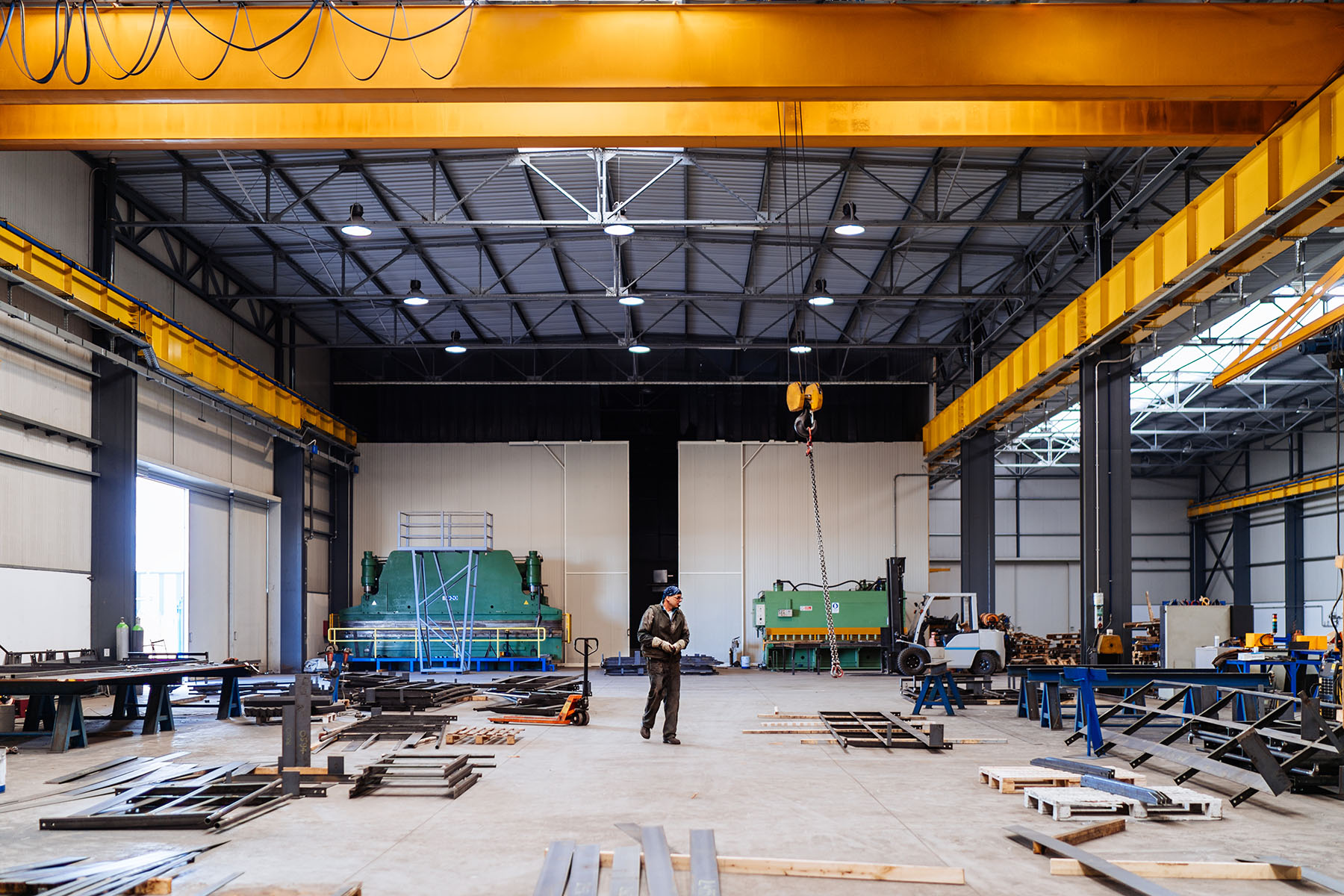
Manufacturers are under pressure to improve uptime and control operating costs. Aging equipment, limited labor availability and long supply chain lead times make unexpected breakdowns more expensive and disruptive than ever.
Put simply, the old approach to industrial maintenance can’t keep up. However, a strategic approach to maintenance combines smarter planning with coordinated action to keep facilities running reliably and protect long-term ROI. As a contractor with 35+ years providing industrial maintenance services, we’ve seen how impactful a strategic approach can be.
What Makes Maintenance “Strategic”?
Strategic maintenance goes a step further than just regularly scheduled maintenance. It’s a proactive, risk-based approach that focuses attention where it matters most.
Key elements might include:
- Prioritizing assets based on business impact and failure risk
- Using inspections, operator input and maintenance history to guide decisions
- Coordinating tasks across electrical, mechanical, controls, rigging and fabrication
- Tracking trends so small issues are corrected before they escalate
- Aligning maintenance activities with staffing and production schedules
This approach improves both day-to-day reliability and long-term planning because teams make informed decisions based on what equipment needs, not just what the schedule says.
Strategic Maintenance Helps Avoid Downtime
Every plant manager knows that unplanned downtime can wreak havoc on operations. Lost production, overtime labor, scrap, missed deadlines and emergency repairs all add up quickly. Internal teams feel the strain too, having to deal with urgent fixes and delayed routine work. Plants that operate in “reactive mode” often see the same issues again and again.
Strategic industrial maintenance services break that cycle by addressing problems before they turn into breakdowns. It involves paying attention to early warning signs, improving scheduling and tighter coordination across trades.
For example, identifying an overheating bearing, tracking vibration changes or catching a worn component during an inspection can prevent an outage that costs thousands of dollars in lost production.
Strategic maintenance also improves planning for spare parts, reduces emergency repairs and extends equipment life by addressing wear before it becomes damage.
This leads to fewer surprises and a more predictable production environment.
The ROI of Strategic Industrial Maintenance
Strategic maintenance has a clear financial benefit as well. Plants see higher equipment utilization and longer asset life. Breakdowns are less frequent and far less severe. Energy use often drops, too, as equipment runs closer to optimal performance.
Manufacturers also gain an advantage when budgeting. When teams know the status of a machine’s condition, they can plan for upcoming repairs or replacements instead of simply reacting after a failure. That reduces the need for rush orders and emergency work, both of which carry premium costs.
In short, by performing industrial maintenance services strategically, manufacturers protect the investments they have already made and create stability for future growth.
Building a Strategic Industrial Maintenance Program
A successful program starts with consistent inspections, accurate reporting and clear priorities. Operators play a key role because they see the equipment daily. Building in systems for strong communication between maintenance, operations and engineering teams ensures issues are addressed quickly and effectively.
Working with a single-source industrial contractor strengthens the process. Many failures can require the attention of multiple trades, so an industrial contracting company with in-house electricians, fabricators and controls specialists can diagnose and solve problems faster.
Fewer Breakdowns, Bigger Returns
Strategic maintenance in industrial facilities is a prudent way to control costs and reduce downtime. By focusing on early detection, careful planning and cross-trade collaboration, manufacturers can build operations that are more resilient and ready for what comes next.
Protect your equipment and your bottom line. Contact us to learn more about how Lee’s industrial maintenance services can help you build a more reliable and predictable operation.
Subscribe and receive updates via email
Bringing It Home: The Realities of Building New U.S. Manufacturing Facilities

After decades of steady offshore production, more industrial manufacturers are bringing production back to the United States. While the reshoring movement started years ago, recent pressures have accelerated it.
With supply chain disruptions, rising global labor costs and ongoing tariff volatility, companies are now viewing offshore production as less predictable and more risky.
As a result, many manufacturers are building new facilities in the U.S. to simplify logistics, reduce risk and be closer to customers. But moving all your operations back home from overseas isn’t simple. From site selection to workforce availability to construction readiness, companies have several challenges to navigate.
As an industrial contracting company working with prominent U.S. manufacturers, we’ve seen firsthand what it takes to bring production home and build new facilities that are ready for long-term growth. In this blog, we’ll look at three key issues manufacturers face as they build facilities in the U.S.: site selection, labor markets and turnkey construction readiness.
1. Site Selection Is Crucial
Choosing the right location is one of the most important factors in a new facility build. The ideal site supports efficient, predictable operations while allowing room for long-term growth.
Manufacturers must weigh infrastructure needs, transportation access, utility capacity and local incentives. These variables will shape long-term operating costs and determine how efficiently a facility can run. But those are just the starting point.
In many projects, land readiness is what determines how quickly construction can begin. Several issues can slow a project before it even gets off the ground, including:
- Soil conditions that require remediation
- Zoning or special-use restrictions
- Environmental assessments that add time or cost
- Permitting timelines that vary widely by region
- Sites that appear ideal but lack the infrastructure needed for heavy equipment or expanded electrical demand
A thorough evaluation upfront helps manufacturers avoid costly surprises and ensures the location has all the elements needed to support both immediate needs and long-term expansion. Working with a single-source industrial contractor experienced in site selection is key to getting this piece right.
2. Labor Markets Are Tight Across the Country
Even with rising investment in domestic manufacturing, there is still a limited supply of skilled trades and specialized technical labor, and competition remains high.
Understanding a region’s labor pool is essential before committing to a site. When assessing a regional workforce, it’s important to consider:
- Wage expectations
- Local competition
- Retention trends
- Proximity and strength of nearby trade schools
All of this can influence both construction timelines and long-term operations. Labor availability directly affects how quickly a facility can staff up and how reliably it can run.
Construction can also be affected by labor constraints. When subcontractor availability is limited, schedules often slip. This is where single-source industrial contractors with full in-house trades can keep projects moving.
3. Turnkey Construction Readiness Determines Speed to Market
Demand for domestic production is rising, which means manufacturers are under pressure to get facilities up and running quickly. But this doesn’t mean simply breaking ground as soon as possible. It takes coordinated preconstruction planning, alignment among engineering and design teams, and smart decisions about equipment, utilities and future expansion.
Too often, construction, installation and commissioning are treated as separate efforts. In reality, they are closely connected. Equipment loads influence foundations. Utility requirements shape electrical and mechanical systems. Safety standards, rigging paths and building layouts must be coordinated long before equipment arrives.
Working with a single-source industrial contracting partner makes planning and timelines far more efficient. With all trades in-house, communication is faster, decisions are clearer and schedules are more predictable.
A Stronger, More Resilient Future for U.S. Manufacturing
The momentum behind U.S. manufacturing is real, and companies that plan ahead are better positioned to come out on top. Site selection, workforce availability and turnkey construction all play major roles in how quickly a facility can move from concept to production.
Ultimately, success depends on a clear strategy and the right partners guiding the process from the ground up.
Need help building a new U.S. facility? Lee Industrial Contracting has the single-source team you need to make your domestic operations a success.
Subscribe and receive updates via email
5 Key Trends Reshaping U.S. Manufacturing in 2026

Manufacturing has always evolved with the times, but this year, the pace has quickened. What once felt like gradual progress now happens in real time, mostly driven by technology, trade and a new generation of workers redefining how industrial facilities operate.
As manufacturers enter 2026, many are finding themselves at a crossroads: expand or modernize, automate or upskill, invest in growth or efficiency. The truth is, they’ll need to do all three.
Here are five trends shaping that transformation and what they mean for manufacturers and their industrial contracting partners as they plan their next expansion, upgrade or capital project.
1. AI-Driven Operations & Predictive Manufacturing
Artificial intelligence is no longer an experiment. In 2026, it’s considered an operational standard. Manufacturers and industrial contractors are using AI, predictive analytics and machine learning to anticipate maintenance issues, optimize production flow and improve product quality in real time.
In 2026, expect to see:
- Predictive maintenance that reduces costly downtime
- AI systems that balance throughput, materials and energy use
- Real-time data connecting the plant floor to enterprise ERP systems
Key takeaway: Facilities that invest in AI today will set the performance benchmarks others follow tomorrow.
2. Tariff Uncertainty & Domestic Investment
Global trade tensions and tariff shifts are making manufacturers rethink their operational strategies. Many companies are doubling down on U.S.-based production to protect supply chains and manage costs.
In 2026, reshoring will continue to drive investment in new and expanded U.S. facilities. We’ll especially see this trend across the Midwest, where strong infrastructure, skilled labor and lower operating costs make growth easier.
Key takeaway: Companies that invest early in domestic capacity will gain greater control over supply chains, lower risk and improve long-term cost stability. That shift also demands construction partners who can deliver fast results – something Lee Industrial Contracting is uniquely positioned to provide.
3. Modular Construction & Rapid Facility Expansion
The pressure to expand production capacity has never been higher. Modular and off-site construction allow manufacturers to move faster by adding new lines or buildings with minimal disruption to operations.
In 2026, more projects will be built this way because modular fabrication offers predictable schedules and fewer on-site risks. It’s a smarter path for manufacturers that need to grow without halting production.
Key takeaway: Modular construction provides speed and stability. By fabricating and assembling components off-site, manufacturers gain efficiency and control.
4. Evolving Workforce Skills
While digital systems are the talk of the town, manufacturing’s greatest advantage is still human skill and ingenuity. However, the industry is evolving toward “tech-enabled craftsmanship,” meaning skilled workers who can blend hands-on experience with digital know-how.
In 2026, expect to see:
- Expanded training in robotics, data analysis and equipment connectivity.
- New hybrid roles that connect production, IT and maintenance.
- Stronger collaboration between engineering and field operations teams.
Key takeaway: Investing in tradespeople with the knowledge or capacity to learn how to operate digital systems will give manufacturers the competitive edge.
5. Sustainability & Facility Modernization
Sustainability has moved from aspiration to action. Manufacturers are now focusing on practical ways to cut emissions and waste, such as electrifying fleets, using more energy-efficient materials and upgrading core systems.
As an industrial contracting company that works with leading manufacturers, we’re seeing sustainability and modernization converge. The projects defining 2026 will be those that make facilities cleaner, safer and therefore more resilient for the long term.
Key takeaway: Modernization isn’t just about technology, it’s also about sustainability. Manufacturers that upgrade strategically can improve efficiency while meeting both performance and environmental goals.
In 2026 (and beyond), manufacturers who can adapt to these changing trends will be rewarded. Part of that means working with a single-source industrial contracting partner that understands where manufacturing is moving in the future. That’s Lee Industrial Contracting.
Contact us today to upgrade your facility and meet the demands 2026 will bring.
Subscribe and receive updates via email
Leveraging Technology for Seamless Project Management in Industrial Settings

Industrial projects are complex. Multiple trades working together, tight deadlines and high risk make them tricky to manage. Modern technology helps to bridge those gaps and make projects run much smoother.
In this article, we’ll explore some of the digital tools Lee Industrial Contracting uses that help us plan, communicate and execute with precision, even on the most challenging projects.
Staying Organized with Project Management Tools
Every industrial project involves hundreds of moving parts: schedules, submittals, drawings and updates from many different trades. Lee Contracting uses Procore, a leading construction management platform tailored specifically for industrial projects, to bring all of it together in one place.
Procore serves as the central hub for all project data, from pre-construction to execution to resource planning to financials. Engineers, field crews and project managers can access the latest drawings, RFIs and timelines in real time, whether they’re in office or on site. That shared visibility keeps everyone aligned and eliminates the back-and-forth that can slow projects down.
The system also provides transparency for the manufacturers we partner with. Details like progress updates, photos and key documents are available on demand, so stakeholders always know where a project stands.
Simply put, Procore keeps everything organized, accessible and on track so the project goes off without a hitch.
AutoCAD for Precision Planning
Before a project breaks ground, engineers must create precise designs. At Lee Industrial Contracting, our team of in-house engineers relies on AutoCAD to create detailed layouts for projects such as foundations, press pits and equipment installations.
AutoCAD allows teams to visualize the entire project down to the smallest detail, so every component fits exactly as planned. When changes occur, drawings can be updated quickly and then shared through Procore to keep the field and engineering teams in sync.
Designing with AutoCAD translates directly to time savings on site. Crews know exactly what to build and where, so rework is minimized and less waste is created. Instead of hoping a plan will work, AutoCAD significantly increases the likelihood of success.
2D and 3D Modeling
As industrial facilities become more automated and complex, collaboration between trades has never been more important. This is where 2D and 3D modeling through Building Information Modeling (BIM) helps streamline coordination for every discipline.
By combining structural, electrical and mechanical designs into a “digital twin” – a digital replica of the physical space or system – industrial contractors can spot potential conflicts long before construction begins. A digital twin makes it easy to visualize how every system interacts, so issues like a conduit crossing a beam or equipment needing more clearance are caught prior to construction, rather than in the field.
These models also improve communication throughout the project. Instead of relying solely on static drawings, stakeholders can visualize layouts in 3D to explore design options and make informed decisions early in the process.
By integrating 2D and 3D modeling into our industrial contracting services, we can minimize downtime and ensure faster execution from start to finish.
Technology Powers “The Power of One”
Tools like Procore, AutoCAD and BIM each play a distinct role, but together they form a connected digital ecosystem. Design accuracy feeds into project coordination. Coordination supports real-time collaboration. And collaboration ensures flawless execution in the field.
This blend reflects Lee Contracting’s “Power of One” model of bringing every trade and discipline together under one roof. With shared data, transparency and the right technology, our team delivers projects faster and safer than those who sub-contract or rely on multiple outside vendors.
The result is a smarter, more connected approach to industrial contracting services. It’s one where technology empowers people, helping us ensure that every project is completed exactly as promised.
Interested in leveraging our Power of One in industrial contracting services? Request a quote for your project today.
Subscribe and receive updates via email
Aligning Industrial Operations with Evolving Market Demands: A Forward-Looking Approach
The biggest shifts in manufacturing don’t happen overnight. They happen in the plant, one decision at a time. A new line here, a retrofit there, an expansion to meet rising demand.
But collectively, these small moves point to a larger reality: industrial contracting and operations are adapting to shifting market demands that can’t be ignored. Three of the biggest today are automation, sustainability, and supply chain resilience.
The question isn’t whether to adapt. It’s how fast you can.
Preparing Facilities for the Demands of Automation
You’ve undoubtedly heard that automation is changing how entire plants operate. As production becomes more dependent on data and automation, a facility’s infrastructure becomes a significant factor in performance and uptime.
Forward-looking manufacturers are building flexibility into their operations to accommodate these changes. Some examples include:
- Investing in electrical upgrades that can handle future automation.
- Designing layouts for modular production.
- Adopting control systems that can integrate with evolving technology.
Automation is here to stay. The facilities we build today need to anticipate the equipment of tomorrow.
Turning Sustainability into a Competitive Advantage
Five years ago, sustainability was mostly about optics. Today, it’s about business outcomes. Energy use, emissions and waste reduction now have a measurable impact on profitability and customer retention.
For manufacturers, that often means rethinking core facility systems that waste energy, such as outdated HVAC units, inefficient lighting or compressed air and water systems that consume too much power.
Even small changes like upgrading to variable-speed drives, installing energy-efficient motors, improving insulation or optimizing heat recovery can deliver ROI while supporting ESG commitments.
Manufacturers that treat sustainability as an operational strategy rather than a PR effort are finding it pays dividends in both performance and reputation.
Flexible Facilities for Supply Chain Resilience
Recent disruptions like global shipping delays and material shortages have shown how vulnerable supply chains can be. Many manufacturers are responding by reshoring production or expanding domestic capacity to stay closer to their customers and reduce risk.
But bringing production home isn’t as simple as moving equipment. Manufacturers expanding capacity or adding new product lines may need to upgrade utilities, strengthen foundations and reconfigure layouts to handle new processes and higher output.
In many cases, flexibility means designing spaces and systems that can be modified quickly, such as:
- Modular work cells that can be rearranged to support new product lines or processes.
- Mobile equipment that can be moved or repurposed as production needs change.
- Adaptable electrical and mechanical systems designed to handle future expansions or automation upgrades.
- Expandable utilities and foundations that make it easier to add capacity without major downtime.
Manufacturers that invest in flexible infrastructure are better equipped to handle supply chain shifts and stay competitive as market conditions change.
Agility Is the Name of the Game
There’s a common thread among responding to all three of these shifts: agility. The ability to modify operations quickly is now one of the strongest predictors of long-term success.
That kind of agility comes from strategic facility planning. This includes understanding how electrical systems, foundations and mechanical infrastructure interact and anticipating what will be required next year.
The most successful manufacturers aren’t waiting for the market to stabilize, they’re incorporating adaptability into every part of their operations. They know that being prepared to pivot isn’t a cost – it’s a capability.
At Lee Industrial Contracting, we’ve seen firsthand how operational foresight transforms the way manufacturers grow and compete. As a self-performing industrial contractor, we help companies build the infrastructure that keeps pace with changing market demands.
Need help updating your infrastructure to stay agile? Contact us for a facility assessment.