

Celebrating Women in Construction Week: Building an Inclusive Future for the Trades
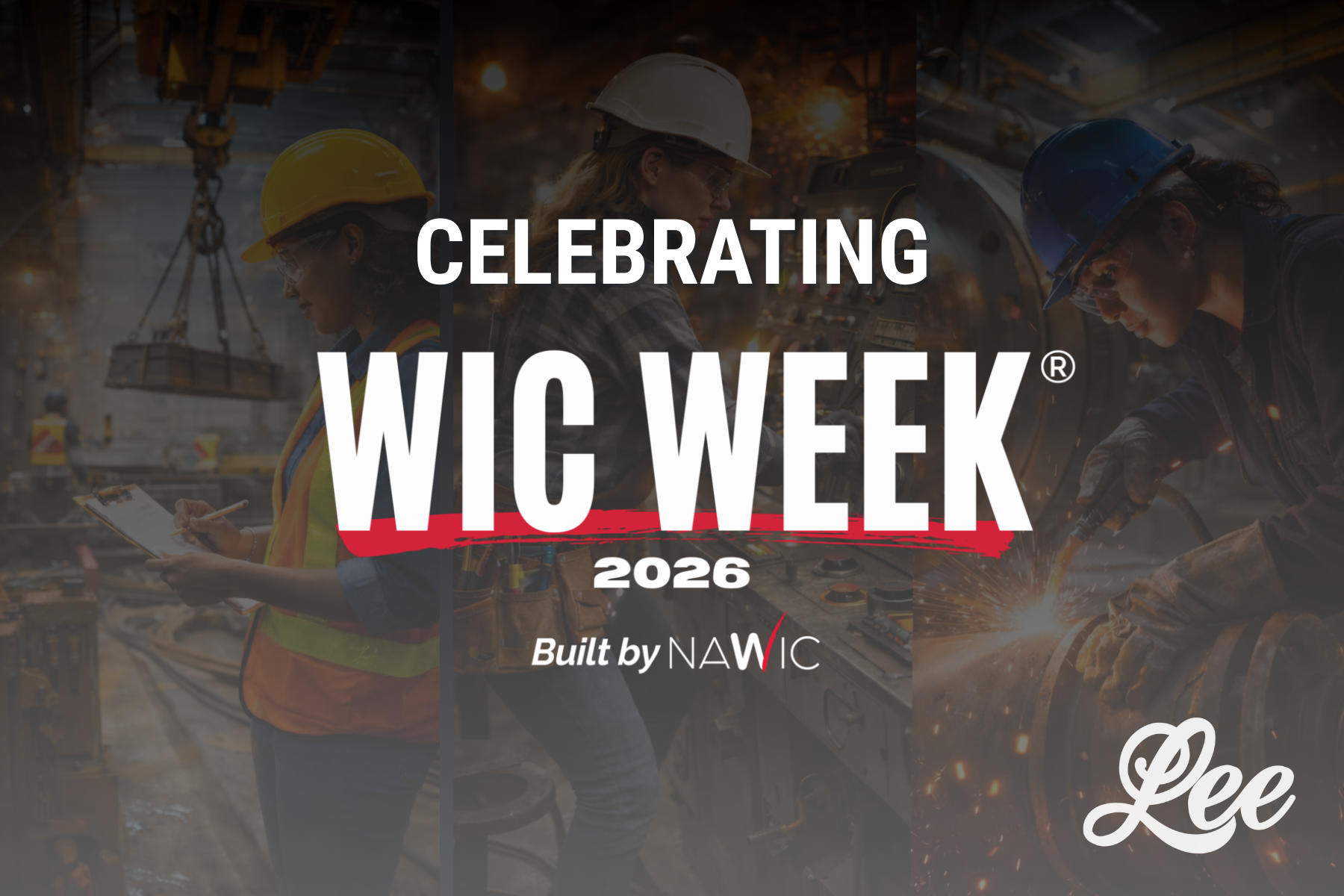
Women in Construction (WIC) Week is a focused opportunity for the industrial and construction sectors to recognize the critical contributions women make to the skilled trades, jobsite safety, and project performance. At Lee Contracting, we celebrate WIC Week by reinforcing our long-term commitment to developing the next generation of tradespeople through inclusive apprenticeship programs and strong educational partnerships.
This initiative underscores the growing role of diverse workforces in addressing industrial labor shortages and driving innovation in facility expansion and maintenance.
Executive Summary
Women in Construction Week highlights how inclusive skilled trades careers support industrial growth, facility expansion, and maintenance reliability. Lee Contracting supports this future through apprenticeship programs and partnerships with organizations like SEMCA and local community colleges, creating more pathways into the trades for both women and men.
The Skilled Trades Workforce Challenge
Industrial facilities across the country face a common challenge: finding and keeping qualified tradespeople. Retirements, reshoring trends, and advanced manufacturing technologies are increasing demand for skilled workers in:
- Electrical
- Pipefitting
- HVAC and mechanical
- Rigging and millwright work
- Fabrication and welding
- Industrial maintenance and facility expansion
- Civil utilities
- Water and wastewater treatment
- Machine services
When these roles are hard to fill, plant managers and operations leaders feel the impact in:
- Project delays
- Longer downtime during shutdowns and changeovers
- Higher maintenance costs
- Difficulty planning facility expansions, relocations, and optimizations
Women remain significantly underrepresented in the trades, which means the industry is leaving a major source of talent untapped. By making careers in construction and industrial contracting more visible and accessible to women—while maintaining opportunities for men—the overall talent pool expands and project teams gain additional strength and perspective.
What Women in Construction Week Represents
Women in Construction Week is about:
- Recognizing women who already contribute to construction and industrial projects
- Showcasing real career paths in the trades
- Encouraging young people, including girls and young women, to consider skilled trades as a first-choice career
- Highlighting organizations that are serious about workforce development and inclusion
For industrial owners and manufacturers, WIC Week also serves as a reminder that the future of reliable industrial contracting depends on a steady pipeline of skilled people. That pipeline is stronger when it reflects the full range of individuals interested in and capable of doing this work.
Empowering the Future Workforce Through Apprenticeships
A central part of our workforce approach is investment in structured apprenticeship programs. These programs help build a workforce that can support:
- Facility expansion and maintenance
- Industrial relocation and optimization
- Automation integration and plant upgrades
- Heavy industrial construction and foundations
Key elements of Lee’s apprenticeship programs include:
- Paid, on-the-job training under experienced tradespeople
- Classroom instruction through accredited partners
- Support with tuition and books for many apprentices
- Exposure to a range of industrial projects in active manufacturing environments
- Clear progression from apprentice to journeyman and beyond
This framework helps new workers gain practical skills, while also giving experienced tradespeople the opportunity to mentor and transfer knowledge.
Partnerships With SEMCA and Local Community Colleges
To support a strong and sustainable talent pipeline, Lee Industrial Contracting maintains partnerships with education and training institutions, including:
- SEMCA (Southeast Michigan Construction Academy)
- Local community colleges in our region
Through these relationships, we work to:
- Align training with real-world jobsite needs
- Create clear pathways from classroom learning to field experience
- Provide students with exposure to industrial project types and environments
- Open opportunities in high-demand trades roles to a broader range of people
These partnerships help ensure that our self-performed trades—such as electrical, pipefitting and HVAC —are supported by a steady flow of trained workers who understand both technical requirements and industrial safety expectations.
How This Supports the Future of Industrial Contracting
Looking ahead, industrial facilities will continue to evolve in response to:
- Reshoring of manufacturing
- Increased use of automation and robotics
- Changing safety and environmental standards
- Higher expectations for uptime and reliability
Meeting these demands requires a skilled trades workforce that is both capable and large enough to respond to multiple project and maintenance needs. Apprenticeships, educational partnerships, and inclusive recruitment practices are all tools to reach that goal.
By investing in these areas and participating in efforts like Women in Construction Week, Lee Industrial Contracting supports the long-term health of the skilled trades and the industrial sectors that rely on them.
Internal Resources You Can Explore
To learn more about how Lee supports the development of the skilled trades workforce and industrial projects, explore:
- Skilled Trades Apprenticeships: Building a Future-Proof Workforce
https://www.leecontracting.com/skilled-trades-apprenticeships-building-a-future-proof-workforce/ - Michigan Trade School Enrollment Is Booming
https://www.leecontracting.com/news/michigan-trade-school-sees-record-enrollment/ - Industrial Contracting Services and Capabilities
https://www.leecontracting.com/capabilities
Call to Action: Continue the Conversation About the Trades
Women in Construction Week is an opportunity for industrial owners, plant managers, and operations leaders to take a closer look at how their projects are supported by the skilled trades—and how that workforce is being developed for the future.
If you are planning:
- A facility expansion or consolidation
- A production line move or industrial relocation
- A major maintenance outage or modernization
- A long-term industrial maintenance program
consider how your project partners approach workforce development, training, and inclusion.
To learn more about our work in industrial environments, our self-performed trades, and our apprenticeship programs, visit:
- Contact page: https://www.leecontracting.com/contact/
- Services overview: https://www.leecontracting.com/capabilities/
- Careers and apprenticeship information: https://www.leecontracting.com/careers/
