
Category: Industrial Contracting

The Role of AI and Machine Learning in Optimizing Industrial Operations
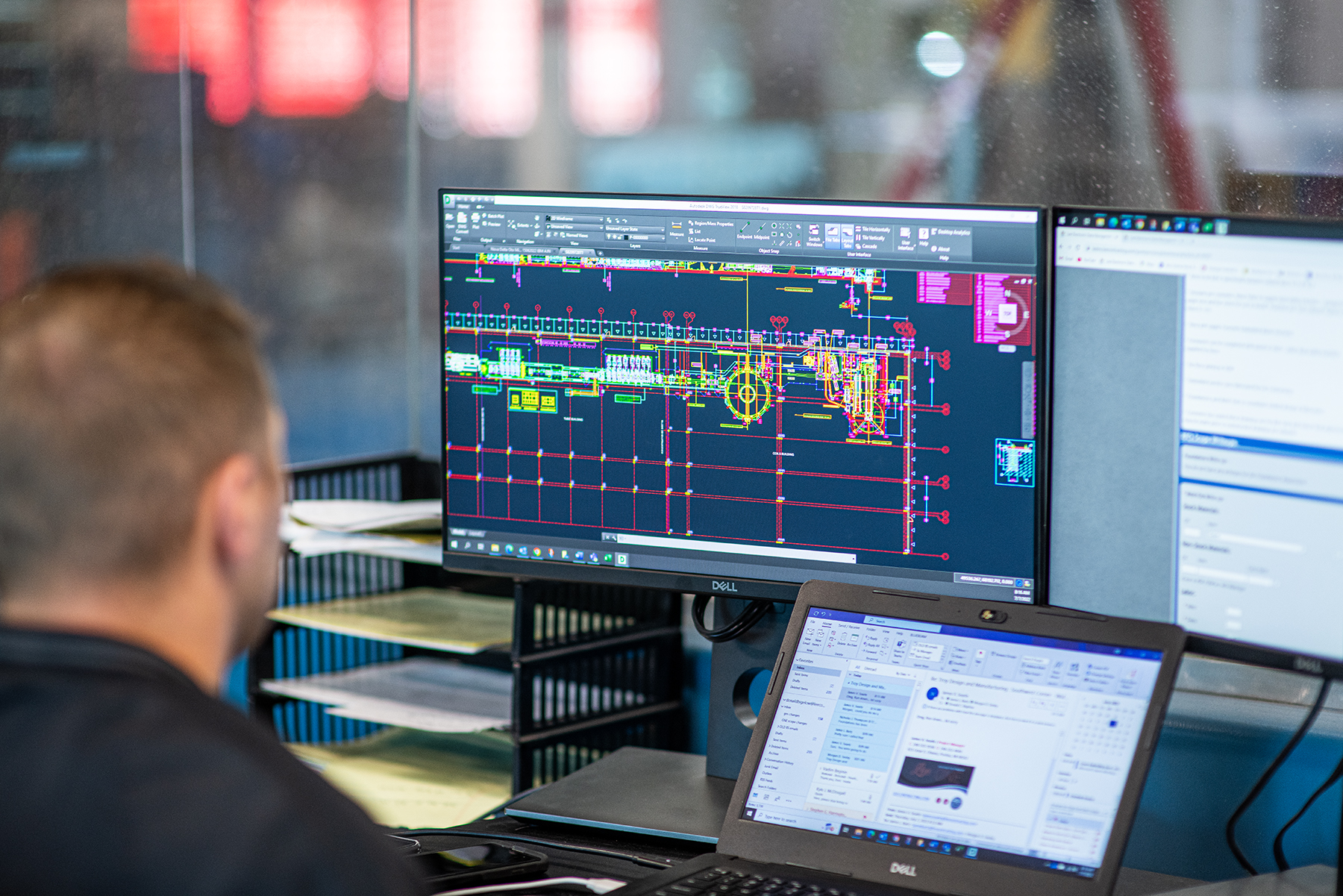
Artificial intelligence (AI) and machine learning (ML) are reshaping industrial operations, from how facilities are designed to how equipment is maintained. With rising costs, labor shortages and tight timelines, manufacturers are turning to smarter solutions like AI and ML to optimize operations.
Combined with the expertise of a trusted industrial contractor, AI and ML are helping to make facilities more efficient, reliable and safe.
How Is AI and ML Used in Industrial Operations?
AI and machine learning can analyze massive amounts of data to predict outcomes and uncover patterns with surprising accuracy. On the factory floor, this means anticipating problems before they occur and finding the most efficient workflows.
Industrial leaders use this information to make decisions that reduce downtime and costs. For manufacturers, this translates to better performance across every stage of operations.
Applications of AI and ML in Industrial Contracting
Predictive Industrial Maintenance
AI models can detect subtle warning signs that equipment is about to fail. Using this information, teams can avoid surprise breakdowns and schedule repairs during planned downtime. This helps manufacturers avoid disruption to operations and costly emergency repair fees.
Digital Twins and Modeling
One of the most exciting applications of AI is the ability to create a digital twin, which is a virtual replica of a physical asset or facility. Lee Industrial Contracting uses 2D and 3D modeling to create digital twins that simulate projects before construction begins – helping teams test layouts, evaluate performance and identify conflicts early to reduce risk and cost.
When paired with AI and real-time data, digital twins take this capability further by predicting performance and optimizing outcomes under real-world conditions. This evolution is changing how manufacturers plan facilities and manage operations, leading to safer and more efficient projects.
Project Planning and Scheduling
Industrial projects often involve multiple trades working in sequence. AI can analyze timelines and resource allocation to create the most efficient schedule.
At Lee Industrial Contracting, we have every discipline in-house, allowing us to use these insights to coordinate our electrical, rigging, fabrication and foundation services for an optimized timeline. This integrated, in-house advantage minimizes downtime and keeps projects on track.
Safety and Risk Management
Safety is a top priority when carrying out industrial contracting services. Machine learning strengthens traditional safety programs by identifying potential hazards, analyzing incident data and even supporting compliance efforts. By scanning sensor readings and past incident reports, AI can detect unsafe conditions or recurring risks that might otherwise go unnoticed.
These tools help reduce risk in high-stakes environments where heavy equipment and electrical systems are in constant use.
Process Automation and Controls
AI also supports smarter automation. When paired with controls automation, AI-driven systems fine-tune processes, adjust equipment performance in real time and spot inefficiencies that slow production. This leads to optimized energy use and improved product quality.
This combination ensures technology investments deliver measurable results on the shop floor.
People and Technology Working Together
While AI delivers data and insights, it’s people who put them into practice. The teams at Lee Industrial Contracting – whether rigging, electrical, pipefitting, foundations or fabrication – turn AI-driven insights into tangible outcomes.
By blending advanced technology with 35+ years of experience, manufacturers get the best of both worlds: innovation backed by proven execution.
Have an upcoming industrial project? Lee Industrial Contracting can help you make the job more efficient and cost-effective. Contact us today.

Subscribe and receive updates via email
Risk Management Strategies for Large-Scale Industrial Undertakings

Large-scale industrial projects carry enormous responsibility, and therefore, enormous risk. With millions of dollars invested, tight timelines and hundreds of workers depending on safe execution, one small misstep can cause delays, safety incidents or compliance issues that can cripple an organization.
That’s why risk management isn’t optional, it’s essential. But by baking in solid risk strategies into each project, many of the biggest threats can be anticipated and controlled. Here are five proven strategies we take as a leading industrial contracting company for a large-scale project.
Strategy 1: Identify Risks Across All Trades Early
A thorough risk assessment looks beyond just the obvious hazards – it also examines how each trade impacts the others. Foundation work, rigging, electrical installations, and mechanical systems are tightly interconnected. If one falls behind or fails altogether, the entire project is affected.
Site surveys, safety audits and early permitting reviews help uncover potential issues before they escalate – and transparency across teams is vital. By planning holistically instead of in silos, companies avoid surprises that lead to downtime and budget overruns.
Strategy 2: Cross-Trade Collaboration
Risk management works best when everyone is aligned. Rigging crews, electrical teams, mechanical contractors, and fabrication specialists must coordinate at all times during execution to keep projects moving. For example, if rigging placement isn’t precise, it can delay electrical tie-ins or machinery alignment.
Open communication among all trades ensures problems are identified early and solved collectively. When every discipline views risk as a shared responsibility, projects stay safer, on budget and on schedule.
Strategy 3: Work With a Single-Source Contractor
Working with multiple subcontractors often introduces unnecessary risk. With disparate teams working independently, communication can fail, schedules often conflict and accountability is not always clear.
A single-source industrial contracting company, like Lee Contracting, eliminates these problems by bringing every service under one roof, from foundations and rigging to electrical, mechanical and fabrication.
With one point of accountability, all teams work together seamlessly and risks are managed more effectively. At Lee Industrial Contracting, we call this integrated model the “Power of One.” All disciplines work together to deliver safer, faster, more predictable results.
Strategy 4: Build a Safety-First Culture
Safety is at the core of risk management. In large-scale industrial contracting projects, things like heavy equipment, high-voltage systems and complex rigging create potential hazards. A strong safety culture reduces these risks by making every worker accountable for identifying and preventing problems.
This goes beyond just meeting regulations. It means ongoing training, regular check-ins and empowering crews to stop work if conditions aren’t safe. When all teams are on board with this mindset, we can prevent accidents and costly downtime.
Strategy 5: Maintain Long-Term Risk Controls
Risk management doesn’t end when the project is complete. Equipment and facility infrastructure require ongoing attention to avoid failures that cause costly downtime. Preventative and predictive industrial maintenance services extend the life of your equipment and keep operations running reliably.
By treating maintenance as part of the risk strategy, companies protect their investment long after construction is complete.
Managing risk in large-scale industrial projects isn’t about avoiding challenges, it’s about being prepared for them. At Lee Contracting, we’ve seen it all in 35+ years of business, helping companies develop risk strategies for hundreds of large-scale projects, backed by our Power of One model.
Need a trusted industrial contracting company to assist you in putting together a solid risk management strategy for your large-scale project? Contact us today.
Subscribe and receive updates via email
Long-Term Facility Planning: Preparing for Future Industrial Challenges

Picture this: Operations are humming along as per usual, when a new regulation drops and you need to replace a critical piece of equipment, fast. Or maybe you land a new, huge client and demand suddenly spikes, but your facility’s layout can’t handle another line without major disruption.
Situations like these aren’t “what ifs.” We see them happen all the time. The key to navigating future industrial challenges – whether good or bad – comes down to how well you planned ahead. That’s where a trusted, experienced partner in industrial contracting services becomes invaluable.
Let’s explore some expert tips that can help you prepare for future industrial challenges.
Choose a Partner Who Can Handle It All
Coordinating multiple contractors in different trades for different scopes of work slows everything down. But an industrial general contractor with every capability in-house – foundations, electrical, rigging, mechanical, fabrication, and maintenance – makes the process more seamless.
When you work with one team from start to finish, you get:
- Faster project timelines
- Clearer communication across trades
- Better-designed facilities built for present needs and future challenges
Anticipate Change Before It’s Urgent
The industrial landscape evolves rapidly – and will continue to do so in the future. Things like automation, IoT integration, and changing OSHA and EPA standards all impact your operations. When you anticipate changes – even without knowing exactly what they are – you can factor them into your long-term plan to avoid costly retrofits and downtime.
Making future-proof design decisions today will make your life easier tomorrow. For example, reinforcing foundations now to handle heavier equipment later or building in extra utility capacity for future expansion can save tens of thousands down the road.
A skilled industrial contracting company can build in compliance-friendly designs, prepare infrastructure for new technologies and plan phased upgrades that help you stay ahead of industry demands.
Make Maintenance Part of the Plan
More often than not, we see facilities treating maintenance reactively, meaning they wait until something fails before implementing a fix. When you partner with a self-performing team that offers industrial maintenance services, they can schedule preventive and predictive work before a breakdown happens.
Conducting regular industrial maintenance services on your facility has a number of advantages, such as:
- Extends the life of your equipment
- Provides cost savings by avoiding emergency repairs
- Keeps your facility running at peak efficiency at all times
- Improves workplace safety by identifying hazards early
- Reduces unplanned downtime and keeps production schedules intact
Build in Flexibility for Potential Machinery Transfers or Relocation
Even if a move isn’t on your radar today, your facility layout, infrastructure and documentation will make machinery transfers easier when the time comes. We recommend keeping accurate equipment documentation, standardizing electrical connections and maintaining clear access routes for rigging and transport.
By designing and maintaining a flexible environment now, you’ll be better positioned to relocate equipment quickly and safely when the need arises.
Factor Facility Expansion and Renovation into Long-term Planning
Similar to machinery transfers, building in flexibility for the possibility of future expansion or renovation is a smart move. Adaptable floor plans, scalable power distribution and modular work areas mean you can add equipment, production lines or entire departments with minimal interruption. Planning ahead can help you save on costs and downtime if you want to expand or renovate in the future.
Budget with the Future in Mind
Beyond just design and construction, you’ll want to future-proof your budget. Be sure to forecast appropriately, taking future capital improvements into account so you can avoid overspending or scrambling to find funds at the last minute.
Also factor in lifecycle costs for things like maintenance, utility consumption and equipment replacement timelines so you’re budgeting for the true cost of ownership – not just the upfront expense. And remember to build in a contingency fund for unexpected issues. Even the best-laid facility plans can run into surprises.
Here’s the bottom line: Long-term facility planning is your best insurance against an unknown future. With an experienced, self-performing team delivering your industrial contracting services, you can be ready for whatever the coming years throw your way.
Need help future-proofing your industrial facility? The self-performing team at Lee Contracting can put together a plan to help you thrive in the future. Contact us today to learn more.
Subscribe and receive updates via email
Training and Empowering Your Maintenance Team: Best Practices for Industrial Settings
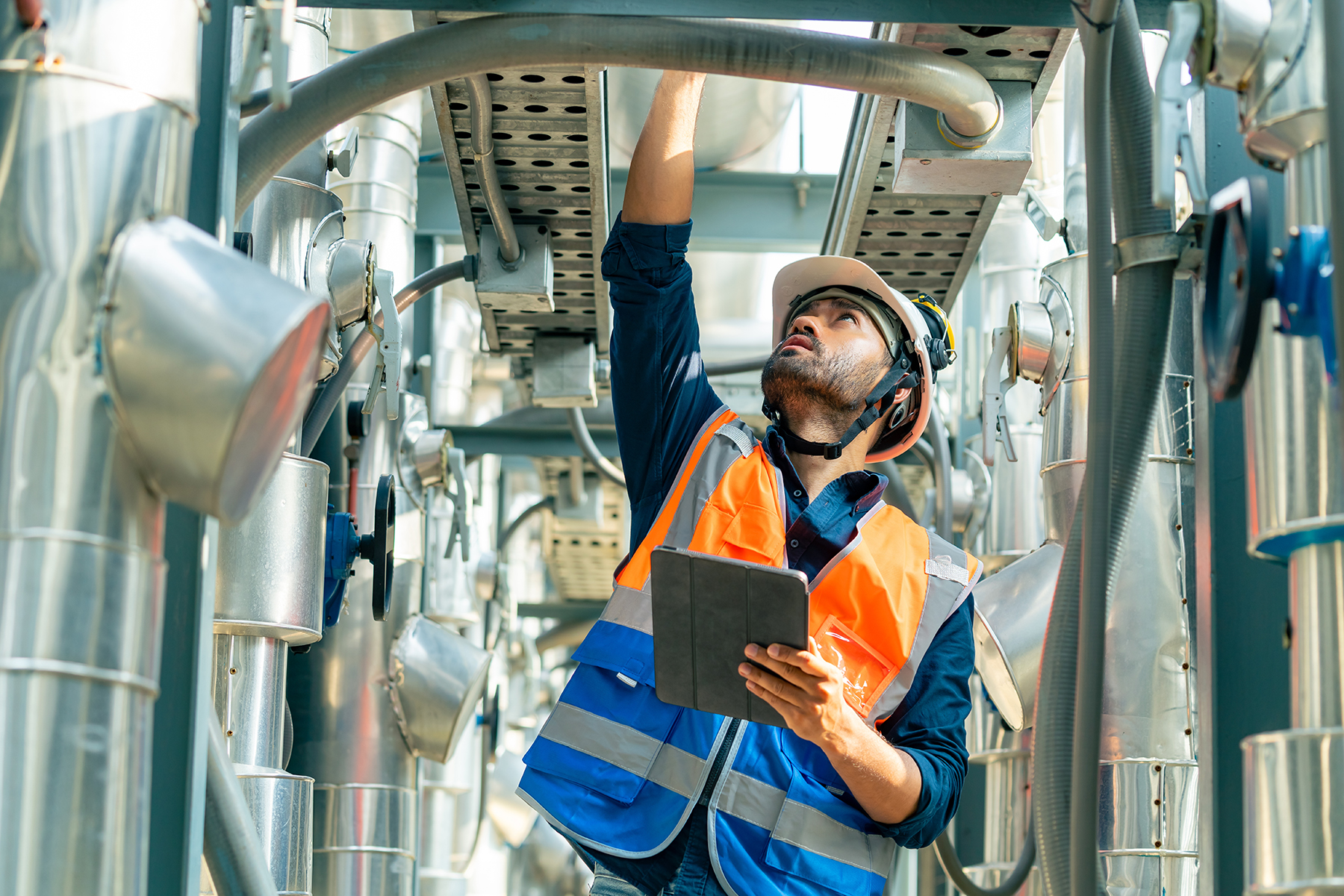
Your industrial maintenance teams are the unsung heroes of your facility. They keep operations humming, troubleshoot daily issues, and make sure your equipment is running safely and efficiently.
At Lee Industrial Contracting, we work closely with in-house maintenance teams every day. With 35+ years of experience delivering industrial maintenance services to manufacturers across sectors, we not only know how to support your internal teams, we also understand what it takes to keep your operations running at peak performance.
Whether you bring us in for industrial maintenance services, major system overhauls, emergency repairs, or even maintenance training, here are a few best practices that can help your internal team stay prepared and empowered.
Teach Teams to Think Proactively
Industrial maintenance services are not just about responding to breakdowns and fixing problems as they arise. Effective training should also introduce proactive maintenance strategies, such as preventive and predictive maintenance.
This might look like holding regularly scheduled inspections, part replacements or system checks based on manufacturer specs or historical wear patterns. It could also include monitoring real-time equipment data through sensors that can help detect issues early and plan industrial maintenance services before a failure occurs.
This approach helps extend equipment life and reduces the need for costly emergency repairs.
Implementing proactive approaches like these results in better uptime and helps when outside industrial contractors come in, as they benefit greatly from this information when planning major repairs or installations.
Train Maintenance Teams on Clear Communication
Communication may not be the first skill you think of in maintenance, but it’s actually one of the most important – especially when outside contractors are onsite.
An industrial maintenance technician should be able to clearly explain a system’s history, discuss safety concerns and participate in planning conversations. We’ve seen firsthand how miscommunication can lead to delays, errors and sometimes even safety risks.
Technical training should also include soft-skill development like communication – both written and verbal. When your team documents work clearly, collaborates in planning meetings and clearly voices concerns, you are setting up seamless collaboration not just with external teams, but among your internal teams as well.
Consider Cross-Training
While specialists are incredibly valuable, having your team cross-trained on various functions like mechanical, electrical or controls is a smart strategy.
Equipment doesn’t wait to break down until the right technician becomes available. Cross-trained staff can adapt if the specialist is ill or on vacation.
Cross-training also builds awareness among your entire team on how systems work together. This versatility makes your internal team more resilient and creates smoother collaboration when external contractors are brought in for projects like rigging, electrical upgrades or machinery installation.
Prepare for Contractor Collaboration
Hiring an industrial contracting firm like Lee Contracting is often the most efficient way to carry out complex upgrades, expansions or emergency repairs. But a strong collaboration with your internal teams can make all the difference in ensuring a successful project.
Before bringing in an industrial contractor like Lee Contracting, brief your team on the scope of work, schedule and roles. Assign an internal point person who understands both the technical and operational side of things. Ensure your team is looped into project planning meetings and understands how their role intersects with the contractor’s work.
Successful collaboration between internal and external teams helps the project move faster and ensures everyone is working toward the same goal.
Whether you need industrial maintenance services or assistance on a large project, Lee Contracting’s self-performing team can help. Contact us today.
Subscribe and receive updates via email
Proactive Maintenance Strategies for Continuous Industrial Operations

There’s one word in industrial manufacturing that every plant manager dreads: downtime. Downtime isn’t just an inconvenience – it’s a direct hit to productivity, profitability and customer trust. That’s why the most successful facilities schedule regular, proactive industrial maintenance services to keep their equipment running and operations moving.
What Is Proactive Maintenance and Why Does It Matter?
Proactive maintenance refers to services specifically executed to prevent equipment failure. Compared to reactive maintenance – which involves fixing machinery only after it breaks or fails (i.e., reacting to an event) – proactive industrial maintenance strategies help manufacturers avoid costly disruptions and downtime in the first place.
By acting proactively to stay a step ahead of potential failures, industrial facilities can extend the life of their equipment, reduce expensive repair costs and stick to production schedules.
Two key strategies in a proactive approach are preventive maintenance and predictive maintenance. These two may sound similar, but they aren’t quite the same. Let’s review each.
Preventive Maintenance to Keep Systems in Check
Preventive industrial maintenance services are about scheduling inspections on a regular basis, say quarterly, biannually or annually. The services and schedule can be tailored to each piece of equipment’s specifications, usage and age.
At Lee Contracting, our preventive maintenance services are designed to meet each of our client’s unique needs. From motors and HVAC systems to press lines and electrical systems, our team systematically services components to catch issues early and reduce the likelihood of breakdowns.
For example, a manufacturer with various hydraulic stamping presses schedules quarterly system checks, including pressure tests and seal replacements. In doing so, we can identify wear before it turns into failure.
By servicing your industrial equipment regularly, you increase its reliability, extend its lifespan and can avoid unexpected downtime.
Predictive Maintenance to Stay Ahead of Failures
Predictive maintenance helps manufacturers anticipate issues before they become full-blown failures. This can involve everything from monitoring data from equipment sensors to practical steps that enable facilities to act swiftly in the event of a breakdown.
At Lee Contracting, our predictive industrial maintenance services include building essential parts and components in advance, so clients can keep them readily available onsite when they’re needed. When machinery starts to wear or show signs of strain, a replacement part is already on the shelf, eliminating the need for long lead times or emergency fabrication.
For example: A facility runs high-volume production on machinery that uses components that are difficult to source. The fabrication team at Lee Contracting can make those parts in advance, so when wear is detected during a regular inspection, the part can be swapped out quickly with little to no downtime.
Compare this to waiting weeks (or paying hefty rush fees) while the part is being sourced, fabricated and shipped. Predictive maintenance helps manufacturers sidestep critical equipment downtime and ensures continuous operations.
Why Proactive Industrial Maintenance Pays Off
In industrial settings, equipment is the backbone of operations, and surprises that occur here are not the fun kind. Smart manufacturers avoid unwanted surprises by acting proactively to keep equipment in peak condition.
Regular equipment maintenance by an experienced team is less costly than emergency repairs. In addition, proactive maintenance helps avoid overtime labor, missed deadlines and unhappy customers.
And when it’s handled by a self-performing industrial contracting company like Lee Contracting, it also means expert guidance and reliable execution across multiple trades.
Whether you’re looking to extend the life of your machinery or reduce the risk of downtime, contact us to learn more about how we can safeguard your operations with proactive industrial maintenance services.
Subscribe and receive updates via email
Integrating Legacy Systems with Modern Automation Solutions
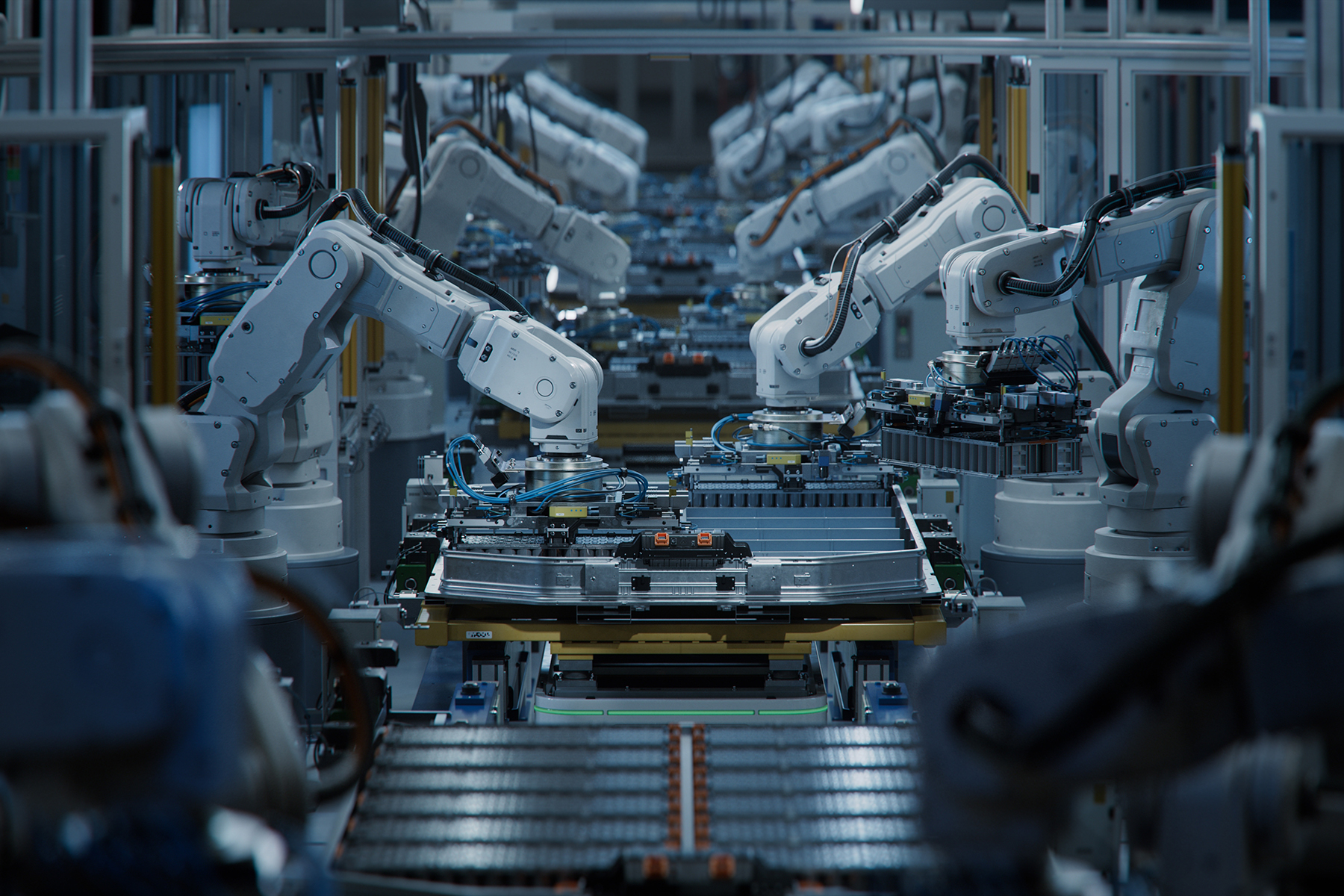
If you walk into a typical manufacturing plant today, you’ll likely come across equipment control systems that are a mix of old and new. Many facilities are still using legacy PLCs and other hardware that was installed decades ago. These systems might be working just fine, but they weren’t designed to communicate with the modern automation tools we see today.
The challenge? Upgrading without bringing your entire plant to a standstill.
The good news is, you don’t have to rip and replace all your legacy systems. At Lee Industrial Contracting, we’ve helped numerous facilities upgrade to automation solutions that integrate seamlessly with legacy equipment.
The key is to approach the project using thorough planning, analysis and a phased approach. Here’s how an experienced industrial contracting company like Lee Contracting helps manufacturers transition smoothly.
Step 1: Define Goals and Priorities
Installing modern equipment shouldn’t just be about having the latest and greatest. You first must ask, “Does this make sense for my business needs?” Here are some questions to consider before modernizing:
• Will modernizing help us meet our goals more efficiently?
• Do we need better access to data or real-time monitoring?
• Will automation help improve safety or compliance?
• Is it cost-effective?
Understanding your goals helps you identify what should be upgraded first so we can build a phased roadmap rather than trying to tackle everything at once.
Step 2: Assess Your Current Systems
Before any plans are made, we first must understand what you’re working with now. An experienced industrial contracting controls team will evaluate everything from the age and condition of your PLCs and HMIs to software compatibility to network infrastructure.
Once the evaluation is complete, we’ll have a better picture of what the project will need. We’ll consider which components can be retained, which will need upgrading and what challenges we might encounter during implementation. We’ll also identify any potential safety issues so we can create plans to avoid them.
Step 3: Design a Phased Integration Plan
Some teams get overly ambitious and think they can perform a complete controls overhaul within a short shutdown window. This is a mistake. Trying to rush the project leaves no time for unexpected issues, thorough testing or proper training – all things that can increase the risk of added downtime.
At Lee Industrial Contracting, we approach modernization with a step-by-step integration plan. This might include:
• Running new wiring and panels in parallel to existing systems
• Upgrading PLCs and software in stages
• Testing new components offline before switching over
• Scheduling cutovers during planned maintenance window
This step-by-step approach breaks up work into manageable phases, allows time to find and fix problems early and enables you to train staff gradually. This way, you avoid surprises and keep your systems running.
Step 4: Execute with Cross-Functional Expertise
Controls integration isn’t just a job for an engineer. Many trades must be brought in to ensure all systems work properly. Electricians, programmers, mechanical specialists and engineers work together and communicate constantly on the project.
This is where working with the team at Lee Industrial Contracting gives you an advantage. Since we have all these trades in-house, we can streamline scheduling and make sure all teams are aligned.
As a self-performing industrial contractor, we can build and install electrical panels, program PLCs and HMIs to interface with legacy equipment and perform testing and validation before go-live.
When all trades are coordinated under one roof, you avoid delays and finger-pointing between multiple industrial contractors.
Step 5: Train and Support Your Team
Even the best technology can fail without proper training. Hands-on training must be conducted to ensure operators and maintenance teams understand the adjustments to their work. This empowers your staff to run and troubleshoot the new controls confidently.
Ongoing support such as remote diagnostics and updates help to keep your operations running smoothly after the upgrade.
The Right Path to Modernization
Integrating automation into your legacy production lines is a smart decision. Partnering with an experienced, self-performing industrial contracting partner helps you bridge the gap between legacy systems and modern automation equipment smoothly. Whether you’re upgrading a single press line or an entire facility, a phased approach reduces risk while you build a smarter, more efficient facility.
Looking to integrate automation into your facility? The self-performing team at Lee Industrial Contracting has the expertise you need. Contact us today.
Subscribe and receive updates via email
Building a Culture of Safety: How Lee Contracting Empowers Its Workforce
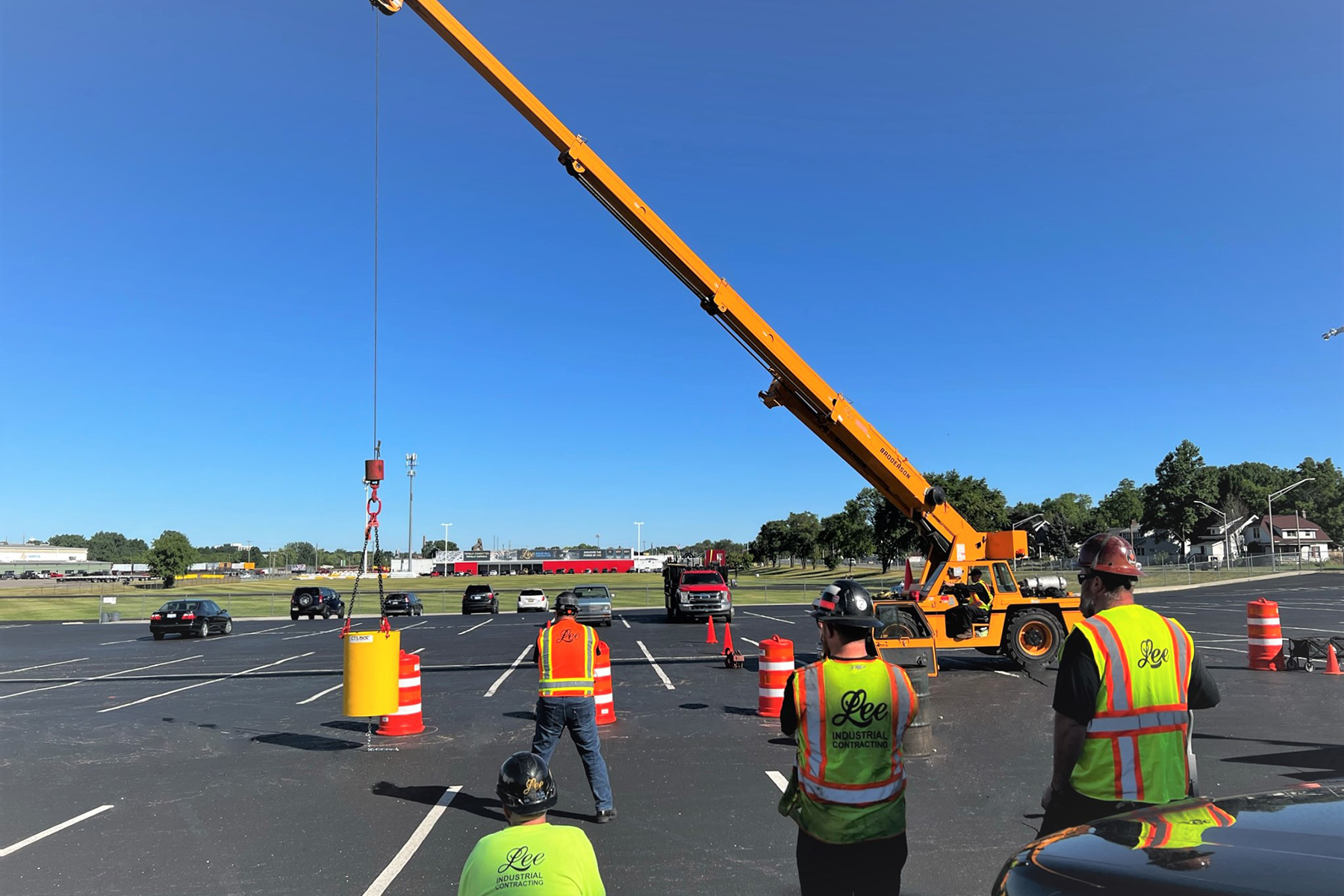
In industrial contracting, safety must be placed above all else. Full stop. From complex rigging projects to plant upgrades, the industrial environments where Lee Contracting operates demand the highest level of attention to worker protection and risk management.
Building a strong culture of safety isn’t about doing the bare minimum. It’s about empowering every employee at every level of the company to be an active participant in keeping themselves and their colleagues safe. This commitment is found in each project and process to create an industrial contracting workforce that is accountable and fully understands all aspects of safety.
Setting the Tone Through Leadership
A culture of safety starts at the top, and Lee Contracting’s leadership team goes to great lengths to make sure the team understands safety is a core value. Our leaders prioritize safety in every decision and allocate resources to support it. They hold themselves and others accountable for maintaining the highest standards.
This visible commitment breeds trust across the entire organization and sends a clear message: safety matters here and everyone plays an important role.
Building an Infrastructure of Safety
To ensure our safety efforts are proactive and pervasive, Lee Contracting has built a company-wide infrastructure of safety that supports our industrial contracting services, led by two key groups:
Safety Team
Our Safety Team is made up of experienced professionals skilled in hazard identification and the application of effective mitigation strategies. Many team members hold advanced degrees and are certified OSHA Outreach Trainers for OSHA 10 and 30-hour courses in both General Industry and Construction.
The Safety Team is responsible for identifying potential hazards within every project and conducts thorough risk assessments to recognize safety concerns early and continuously. Based on these findings, Lee Contracting develops and implements comprehensive mitigation strategies to minimize risks and ensure compliance with all safety regulations.
Safety Committee
Separate from our Safety Team, our Safety Committee is made up of employees who volunteer from all levels of the organization and have shown a commitment to supporting and strengthening our safety culture.
Each member holds, at minimum, an OSHA 30-hour certification and serves as an extension of our full-time safety staff, assisting in identifying hazards and implementing corrective actions. As subject matter experts in their respective fields, they provide valuable insight into specific means, methods and trade-specific techniques. This expertise bolsters our ability to proactively address potential hazards and implement realistic, field-informed solutions.
Safety Scoring and Analysis
Every project is assigned a safety score that guides safety planning and oversight. This scoring system helps ensure that appropriate safety measures are aligned with the specific risks and requirements of each project. Pre-Task Planning (PTP), Job Hazard Analyses (JHA) and onsite visits ensure safety expectations are communicated clearly and followed consistently throughout the entirety of the project.
Empowering Every Employee
Empowering employees to take ownership of safety is key to Lee Contracting’s safety approach. The company provides and supports:
Robust training: All trades personnel complete at least OSHA 10-hour training at the apprentice level and OSHA 30-hour training for field supervisors. Additional trade-specific and role-based training is also provided to reflect the latest best practices and regulatory requirements. Our in-house First Aid and CPR course, certified by the American Red Cross, has received stellar feedback and further equips employees to respond appropriately in emergencies.
Stop Work Authority (SWA): Employees are not just empowered, but encouraged, to stop work if a potential hazard is identified. Team members who exercise SWA are recognized, and the company issues rewards and incentives like safety scratch-off tickets, raffle entries, and nominations for the Safety Championship awards.
This commitment to empowering our workforce is one of the many reasons clients trust Lee as their industrial contractor on complex, high-risk projects.
Award-Winning Safety
Lee Contracting’s commitment to safety has earned significant industry recognition, including:
- 2025 Associated Builders and Contractors STEP Program Level Platinum for outstanding Safety Practices
- 2024 Associated Builders and Contractors STEP Program Level Gold for outstanding Safety Practices
- 2023 Associated Builders and Contractors STEP Program Level Silver for outstanding Safety Practices
- 2023 Construction Association of MI Honorable Mention for outstanding Safety Practices
- 2020 Construction Association of MI Honorable Mention for outstanding Safety Practices
- 2019 Construction Association of MI Honorable Mention for outstanding Safety Practices
- 2018 Construction Association of MI Bronze Award for outstanding Safety Practices
- 2018 General Motors Supplier of the Year
At Lee Industrial Contracting, building a culture of safety is about more than checking boxes. It’s about empowering our people to always put safety first. By investing in extensive training and encouraging proactive participation from every team member, we create a workforce where safety is not just a core value, but a source of pride.
Do you have an upcoming industrial project and need a team that puts safety first? Contact us today to see how we can help.
Subscribe and receive updates via email
The Future of Industrial Automation: 6 Key Trends and Technologies

The future of industrial automation is already underway, and it’s changing the nature of manufacturing operations and facility upgrades. No matter if you’re planning a major equipment installation or building a new line, automation is becoming an essential part of the equation you shouldn’t ignore.
Forward-thinking manufacturers are working with industrial contracting companies that understand how to integrate automation into each phase of a project – from design and pre-planning to construction and long-term efficiency. Here are five automation trends to keep an eye on.
1. Smart Sensors and IIoT
The Industrial Internet of Things (IIoT) connects machines and sensors to a centralized network, helping manufacturers monitor everything from equipment performance to energy usage in real time. Smart sensors embedded into machines and systems collect data on temperature, vibration, flow and energy usage.
This translates to receiving warning alerts before machines fail, smarter energy use and improved quality control. IIoT data can be used to help guide predictive maintenance, reduce downtime and optimize processes – all of which can be integrated during a facility upgrade or new build with the help of a savvy industrial contracting partner.
2. Robotics
Robotic automation has evolved beyond traditional assembly lines. Today, collaborative robots (called “cobots”) and autonomous mobile robots (AMRs) are not replacing workers, but working alongside them to reduce staff exposure to hazardous environments while keeping production moving smoothly.
An industrial contracting partner that understands robotics can help you incorporate solutions like automated welding, robotic palletizing or material transport systems to improve throughput and workplace safety.
3. Controls Automation
If robots are the “hands” and sensors are the “eyes,” then controls automation is the “brain” that ties it all together.
Modern control systems, including PLCs (Programmable Logic Controllers), RFID tracking and HMI dashboards, orchestrate your equipment’s behavior in real-time. Whether you’re operating a stamping press, conveyor system or hydroforming unit, automation logic ensures everything runs precisely and in sync.
An experienced industrial contracting company can design, build and program these systems to not only work with your existing setup but also scale with your future growth.
4. BIM and Digital Twin Planning Tools
Advanced planning tools like Building Information Modeling (BIM) and digital twins let manufacturers visualize their facilities in detail before any concrete is poured or equipment is installed.
These technologies allow you and your industrial contracting team to identify potential layout conflicts, improve spatial planning and simulate workflows in advance of the project. With digital twins, you can even monitor real-time conditions after construction is complete. The result? Smarter, smoother projects and fewer surprises.
5. Automation for Sustainability
Sustainability is not just a trend. It’s an essential foundation of any modern industrial facility. And even better, it can dramatically improve your bottom line. Automation is playing a major role in helping manufacturers reduce waste, save energy and meet environmental goals.
Industrial contracting services can now integrate smart systems that monitor HVAC usage, optimize lighting and regulate compressed air systems to avoid waste. Modular construction methods also reduce material use and allow for faster, cleaner installations. “Green” automation can help deliver ROI while meeting environmental standards.
6. AI and Predictive Analytics
You didn’t think we’d write an article about the future of industrial automation without including AI, did you? Unsurprisingly, artificial intelligence (AI) is playing a role manufacturing environments. In particular, AI provides predictive analytics that can help you schedule maintenance before a breakdown happens, optimize production schedules and even identify which systems should be upgraded first.
When your industrial contracting company understands how to pair AI-driven insights with physical system design, you gain a powerful competitive edge. It’s about using your facility’s data to get ahead of problems, not just react to them.
Incorporating Automation Into Your Facility
Working with an industrial contracting company that understands automation – from design to execution – is key. With fully in-house teams and expertise in automation for mechanical, electrical, fabrication, rigging and controls, Lee Contracting delivers fully integrated industrial contracting services designed for modern manufacturing that keep you well-positioned for the future.
Ready to future-proof your facility? Talk to us about how automation can power your plant’s performance.
Subscribe and receive updates via email
Collaborative Problem-Solving in Complex Industrial Environments
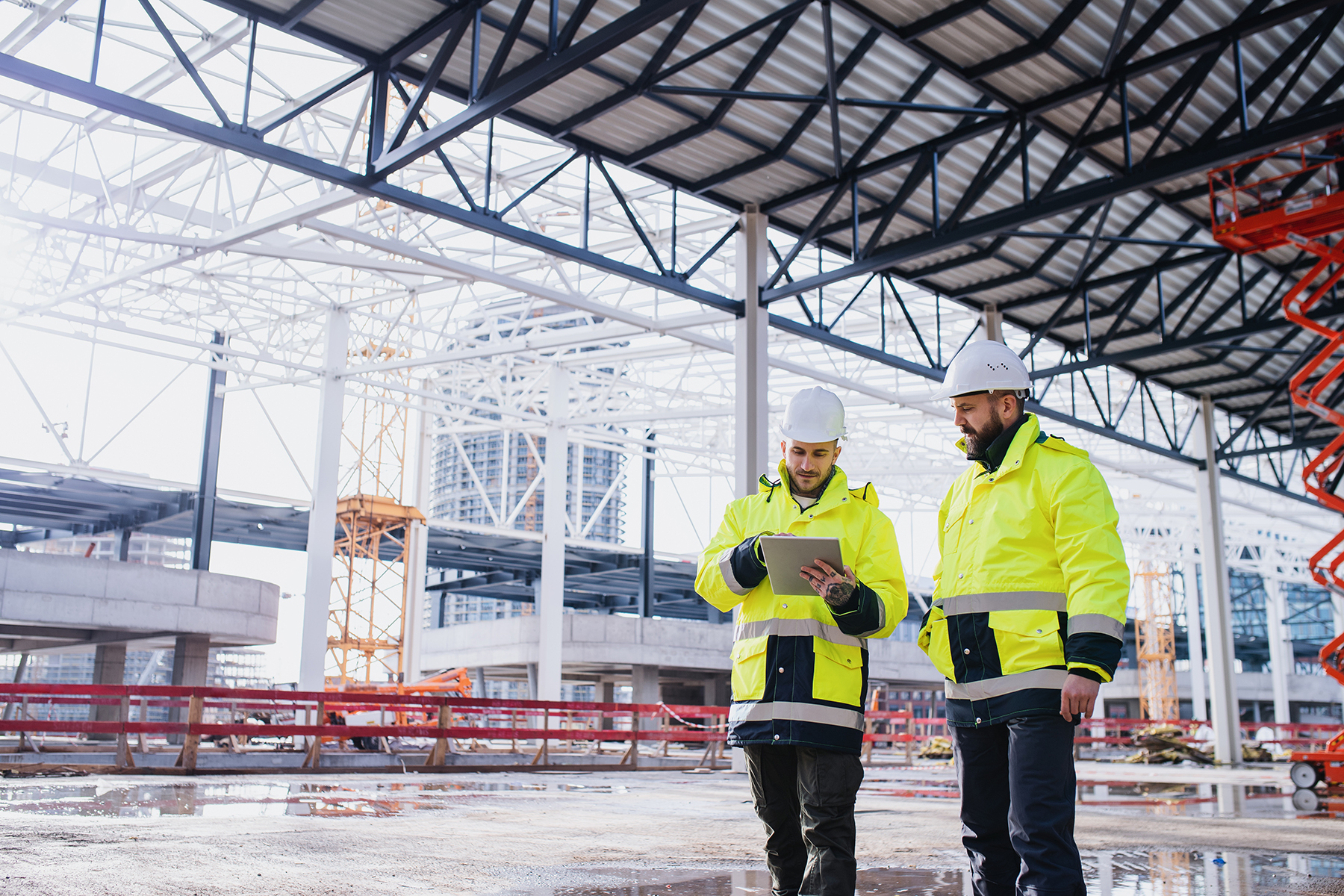
Here’s a hard truth: industrial projects rarely go exactly as planned – especially when they’re complex. Whether it’s unexpected structural challenges, space constraints, or tight deadlines, technical expertise and problem-solving are of course essential, but one thing that’s often overlooked is the power of collaboration.
In complex industrial environments, teams must work together seamlessly – from the pre-construction phase through completion – to ensure projects are successful and stay on track.
But not all collaboration is created equal. When multiple industrial contractors and subcontractors are involved, miscommunication, delays, and inefficiencies can cause delays and overcomplicate issues. That’s why working with an integrated, self-performing industrial contracting team – one that can tackle every phase of a project in-house – can make a world of difference.
The Power of True Collaboration
Effective problem-solving in industrial environments depends on several factors:
Cross-Disciplinary Expertise
Complex projects need input from multiple disciplines, such as rigging, electrical, mechanical, fabrication, and more. In traditional setups, each contractor focuses only on their piece of the puzzle, which often leads to coordination gaps with other industrial contractors and the facility.
A fully in-house, integrated team works together from start to finish and makes sure nothing falls through the cracks.
Adaptability Amid Challenges
When it comes to complex industrial projects, unexpected hurdles like structural issues, equipment failures, or shifts in timeline demand quick attention and adjustment. When everything is handled by a self-performing team, problems can be solved in real time without waiting on outside vendors.
Collaboration That Drives Success
While custom industrial projects require a high level of technical know-how, a problem-solving mindset and a collaborative approach are must-haves as well.
When engineers, tradespeople, and project managers communicate well and goals are aligned, projects and budgets stay on track. When industrial contractors bring a collaborative approach, businesses feel more confident knowing they have a reliable partner to help them navigate any obstacles.
A Case Study of Collaborative Problem-Solving
When Wico Metal Products needed to install new 26-foot stamping presses in their facility, they ran into a major obstacle: the building’s roof wasn’t high enough. The only way to make the presses fit was to raise the roof – by 12 feet. On top of that, winter was approaching, and they had less than five months to complete the job.
From the start, Lee Industrial Contracting worked closely with Wico, ensuring they fully understood the process and how each step would impact their operations. Lee explained the structural requirements, timeline, and necessary modifications, while Wico provided their expectations, concerns, and operational constraints.
This back-and-forth collaboration allowed both teams to refine the approach and agree on the best path forward.
Together, we developed a plan that addressed multiple project needs at once:
- Structural modifications: Raising the roof while maintaining the building’s structural integrity.
- Space optimization: Demolishing outdated office space and enclosing a courtyard to maximize manufacturing space.
- Seamless project management: Handling electrical, plumbing, and mechanical adjustments in parallel with construction.
With everything under one roof, we were able to streamline collaboration directly with the client and accelerate execution, avoiding the communication and scheduling delays that typically come from juggling multiple contractors.
By keeping Wico informed at every stage and adjusting plans as needed, Lee ensured the project stayed on track, met the tight deadline, and delivered a better-optimized facility.
Read the full case study here >
Collaboration Starts During Pre-Construction
One of the most effective ways to ensure collaboration is to bring in industrial contractors early in the process during pre-construction. Involving contractors at this stage allows for value engineering, where we can identify innovative solutions to save costs and streamline execution.
Plus, contractors can fast-track schedules when delays arise due to sector volatility or unexpected challenges. Early involvement helps identify potential obstacles and creates a smoother path to project completion.
Lee Industrial Contracting embraces and adopts a truly collaborative approach in every project. If you’re thinking about starting an industrial project, contact us today to begin the collaboration process and ensure a smoother project – at the lowest cost possible.
Subscribe and receive updates via email
How to Minimize Downtime During Major Equipment Transfers
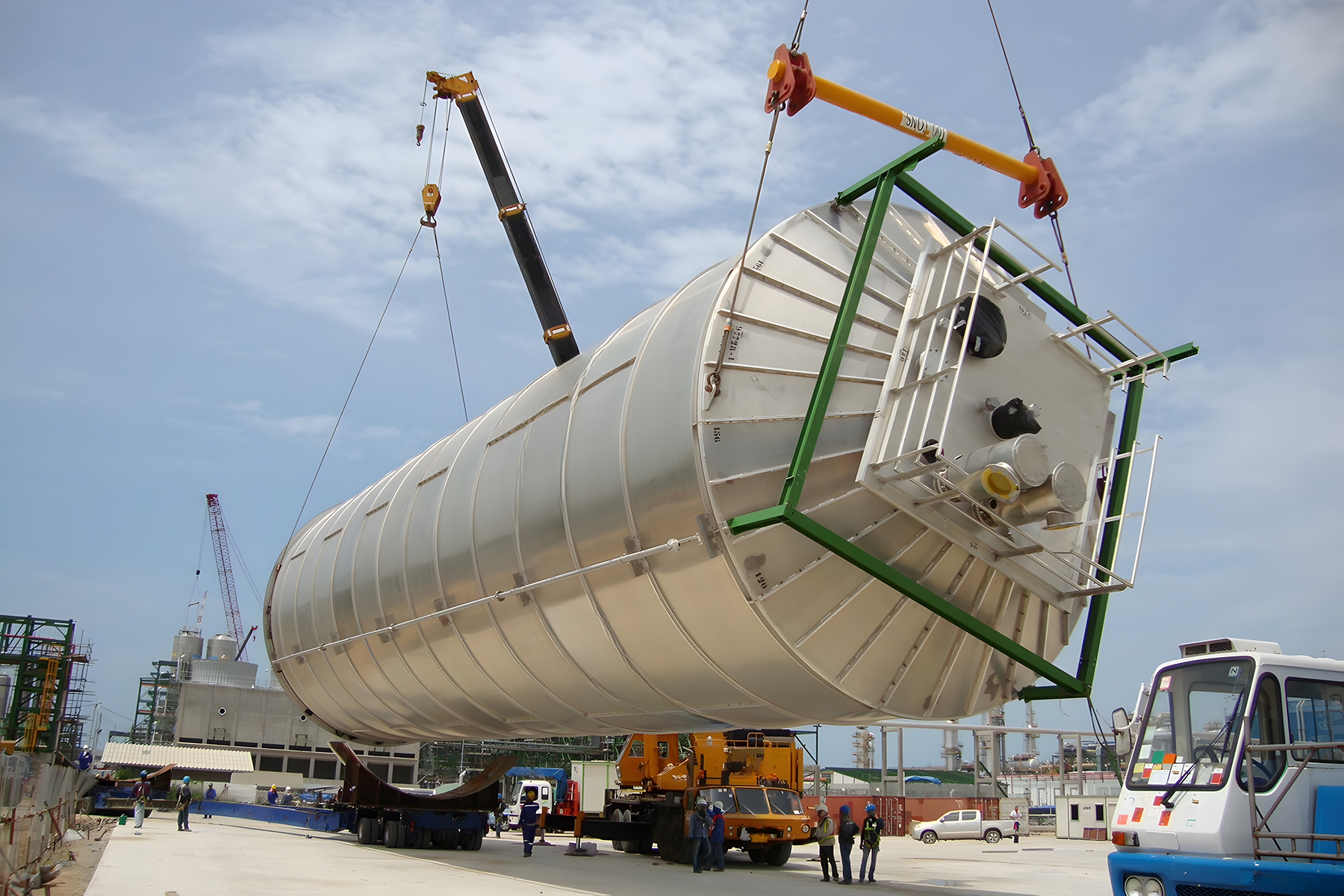
It was supposed to be a simple move – relocating a large piece of equipment to another part of the facility was projected to take just a few days. But once the project started, problems began piling up.
The industrial rigging contractor finished their part, but the electrical team wasn’t scheduled for another three days. Then, a crucial support bracket turned out to be the wrong size and the company had to wait a full week for an outside industrial fabricator to make a replacement.
What was meant to be a short disruption stretched into nearly a month of downtime, putting production behind schedule and causing frustration at every level of the business.
If this scenario sounds familiar, you’re not alone. This type of situation plays out all too often in industrial relocations, and the main issue is this: too many industrial contractors and too many moving parts, all operating on their own timelines.
The key to avoiding these delays? A single-source, turn-key approach.
The Power of One: An In-House, Turn-Key Solution
When it comes to industrial projects, coordinating multiple vendors and the headaches it brings can drag out timelines and lead to more downtime. But if you work with an industrial contractor that can handle every aspect of the project in-house without needing to subcontract, like Lee Contracting, you can dramatically shrink timelines and downtime.
So instead of juggling separate contractors for rigging, electrical, mechanical, and fabrication, you get a fully integrated team that works together from start to finish. This means:
- One project manager overseeing the entire process.
- No delays waiting on subcontractors.
- The ability to adapt in real-time to challenges.
Lee Contracting’s “Power of One” approach ensures that machinery relocations happen as efficiently as possible, minimizing downtime so you can get back to normal operations quickly.
How Lee Contracting Gets the Job Done Faster
When it comes to equipment transfers, the ability to move quickly is everything. Downtime means lost revenue, and every delay adds up. That’s why in-house teams and resources make a critical difference.
Here are just a few advantages that The Power of One brings:
- Rigging Without the Wait: Because Lee has its own heavy-lift equipment and employs full-time rigging specialists, projects don’t get stalled waiting on availability from an outside contractor. If something needs to be moved, we can deploy rigging teams immediately.
- On-the-Spot Fabrication: Unexpected issues during a project often turn up, including missing or incorrect parts. Instead of waiting days or weeks for an external fabricator to deliver a solution, an in-house fabrication team can custom-make the needed part on demand, keeping the project moving.
- Immediate Installation: Because the electrical and mechanical teams are part of the same company as the rigging crew, installation can begin as soon as relocation is complete with no lag time between phases.
This integrated approach means that what could take weeks with multiple contractors can often be completed in days, saving your company time and money.
How a Turn-Key Approach Contributes to Long-Term Success
A turn-key approach delivers benefits far beyond just the one move. When you work with a team that handles everything in-house, you’re not just getting a one-time solution, you’re building a partnership.
This means the next time you need to expand or reconfigure your plant, you won’t have to start from scratch. You’ll have a team that already understands your facility, your equipment, and your operational goals, so every future project goes faster and smoother.
Equipment relocation doesn’t have to mean weeks of downtime. By tapping into Lee Contracting’s Power of One, you can complete a major equipment relocation as quickly as possible so you can avoid extended downtime and keep production on track.
Need to relocate industrial equipment? Request a quote from our team today.